

Hiring NPs for Med Spas and Aesthetics: Scope, Supervision, and Fit
Hiring an aesthetic nurse practitioner for a med spa starts with state regulations, since scope, supervision, and medical director requirements change from one state to the next. Most states require a medical director with a written agreement naming delegated procedures. Beyond compliance, the right hire brings hands on injection experience, sound clinical judgment, and the ability to set realistic patient expectations.
Why Hiring a Med Spa Nurse Practitioner Needs Its Own Approach
Medical spas have become one of the fastest-growing settings for nurse practitioners. According to AmSpa’s 2024 industry report, 1,589 med spas opened in 2023, bringing the national total from 8,899 to 10,488. A 2026 Aesthetic Surgery Journal report estimates the count could reach about 13,000 by the end of this year.
Every one of those locations needs licensed clinicians to perform aesthetic treatments, and nurse practitioners are often at the center of that staffing model. Injectables drive much of the demand. As of 2021, 94% of med spas offered facial injections, alongside services like laser hair removal, chemical peels, and other non surgical cosmetic procedures.
The clinician pool has not grown at the same pace. A med spa recruiting an aesthetic NP is competing with hospitals, dermatology offices, urgent care centers, and the other med spas in the same market for a limited group of experienced injectors.
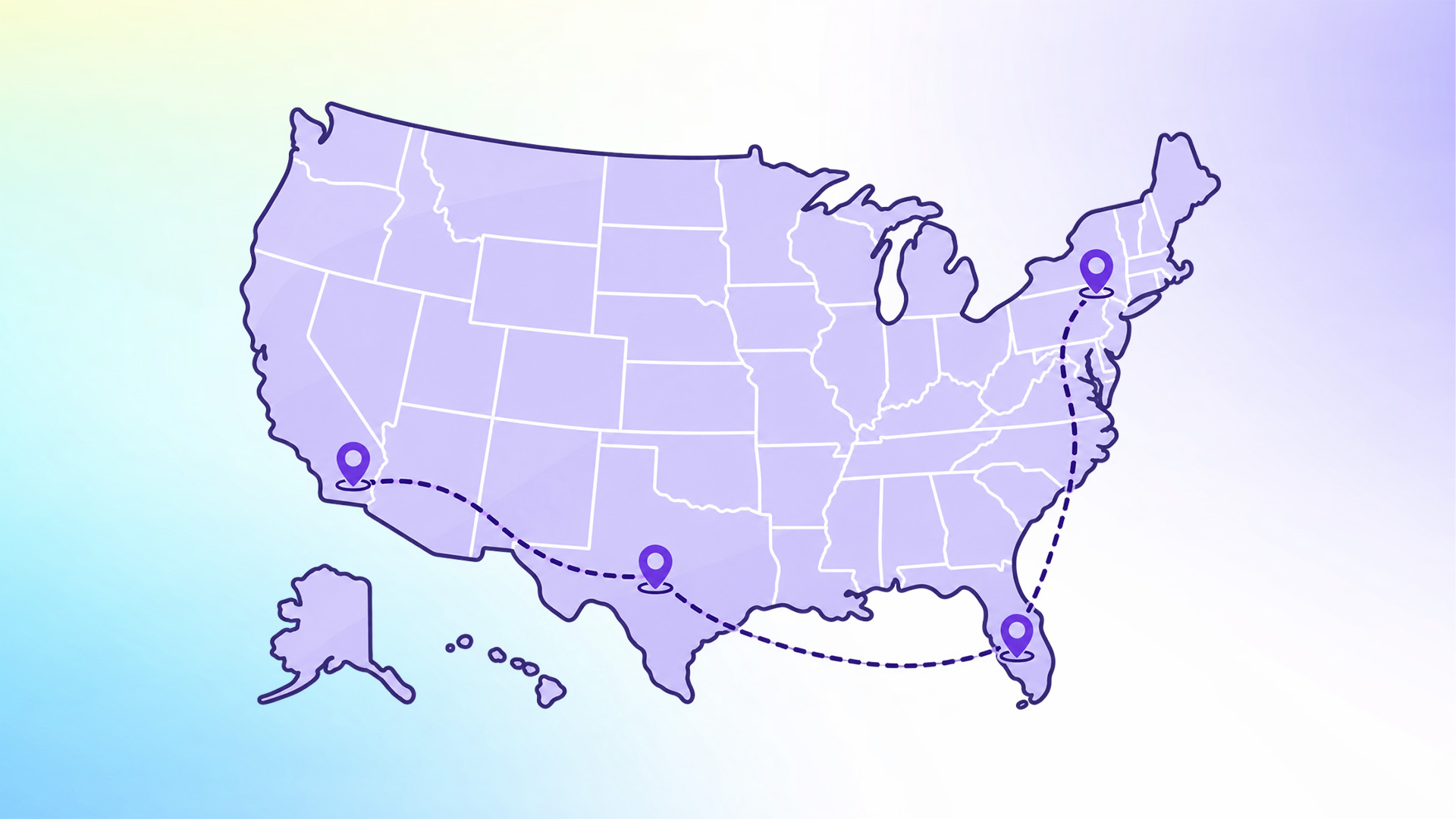
Hiring also carries more regulatory nuance than most outpatient settings. Thirty-six states have no dedicated med spa statute, so the rules come from each state’s medical practice act and board guidance. What an NP can perform, who must supervise them, and who is allowed to own the practice all vary by state.
On top of that, aesthetic skill is hard to read from a resume. Formal aesthetic credentials are voluntary, so an NP’s license and board certification confirm they can practice, while their actual injection technique, knowledge of facial anatomy, and complication management experience need to be evaluated directly.
A general NP hiring process covers licensure and clinical background. Hiring an aesthetic NP also requires confirming state scope, structuring the medical director relationship, and screening for hands on aesthetic skill before the offer goes out.
Where Hiring an Aesthetic NP Gets Complicated
Three questions shape every med spa NP hire: what the NP is allowed to perform, who has to oversee that work, and whether the NP has the skill and judgment to do it well. The first two depend on state regulations. The third depends on screening the practice has to build for itself.
Scope: What an Aesthetic Nurse Practitioner Can Perform Depends on the State and the Procedure
An aesthetic nurse practitioner’s scope comes from their state license and the state’s rules for cosmetic medical procedures. Two NPs with the same national board certification can have very different scopes depending on where the med spa operates.
- Practice authority sets the baseline. In 2026, 12 states are classified as reduced practice and 11 as restricted practice, which means NPs in those states need some level of physician collaboration or supervision for at least part of their practice
- Scope can also differ by procedure. Dermal filler injections, neurotoxins, laser treatments, chemical peels, and laser hair removal may each fall under different delegation and supervision rules, and some states treat laser technologies separately from aesthetic injectables
- The rules shift by credential as well. A registered nurse may administer Botox under physician delegation in Texas but cannot administer it autonomously in California, which affects how an NP’s role fits alongside RNs and other healthcare professionals on the team
- Prescriptive authority matters for aesthetic NPs who order or administer prescription products, so confirm the NP’s authority covers the injectables and medications the practice uses
- Several states have recently passed dedicated med spa laws, including Indiana, where Senate Enrolled Act 282 took effect July 1, 2026, so scope rules in some markets are still changing
Before posting the role, list every aesthetic service the NP will perform and confirm each one against your state’s current rules.
Supervision: How the Medical Director Setup Shapes Which Med Spa NP You Can Hire
Medical oversight is where many med spa compliance problems begin. With 36 states lacking a dedicated med spa statute, owners often rely on general medical practice rules that were not written with aesthetic medicine in mind.
- Most states require a medical director, and the agreement needs to name the delegated procedures, how often supervision happens, and the scope of oversight. A one-page boilerplate agreement rarely satisfies a state medical board
- The medical director must hold an unrestricted license in the state where the med spa operates
- Whether an NP can serve as medical director depends on the state. Rhode Island, for example, allows a physician or certified nurse practitioner with training in cosmetic medical procedures to hold the role
- Ownership rules affect hiring structure too. Under corporate practice of medicine rules, a dermatologist owning a med spa in Texas cannot simply hire an NP through an outside entity and must directly employ and supervise the NP within the physician-owned practice
- Full practice authority does not settle ownership. An NP with independent practice rights may still need a professional corporation or a physician medical director to own a med spa, depending on the state
- Supervision standards vary in practice as well. Few states allow indirect supervision for medical aesthetic procedures, and Florida requires a physician to be immediately available for emergencies, with physical presence required for certain procedures
Settle the supervision model before the search opens, since it determines whether the role suits an independent aesthetic NP or one who expects a physician on site.
Fit: Clinical Skill, Aesthetic Judgment, and the Patient Experience
Licensure confirms an NP can legally practice. Fit in aesthetics depends on skills that rarely show up on a resume, and they carry real weight for patient safety and repeat business.
- Clinical precision with injection techniques and a deep understanding of facial anatomy are the foundation of safe dermal filler and neurotoxin work, and both come from hands on training and volume rather than coursework alone
- Complication management is a core competency. An aesthetic NP should be able to describe how they recognize and manage complications, what protocols they follow, and when they escalate to the medical director
- Aesthetic judgment means assessing facial structure and natural features, then building individualized treatment plans that suit the patient instead of applying the same approach to every face
- Patient experience drives retention in medical aesthetics. NPs who communicate effectively, evaluate patients carefully, and set realistic expectations during patient assessment tend to build the repeat relationships med spas depend on
- Formal aesthetic credentials are limited. The Certified Aesthetic Nurse Specialist credential is voluntary and designed for registered nurses, and a public tally shows only 504 active holders across the United States, its territories, and Canada, so most aesthetic NPs will be evaluated on experience and demonstrated skill
The NPs who fit best combine sound clinical judgment with a commitment to ongoing education, since aesthetic treatments and laser technologies keep evolving.
How to Screen an Aesthetic Nurse Practitioner Before Making the Offer
Most med spa hiring mistakes come from screening an aesthetic NP the same way a primary care practice screens a family NP. The license check still matters, but it only covers part of what the role demands. A strong screening process confirms compliance first, then puts the candidate’s aesthetic skill and patient approach in front of the people who will work alongside them.
What to Verify, What to Watch, and What to Ask When Hiring an Aesthetic Nurse
Each stage of the process covers a different part of the hire. Verification protects the practice, observation tests skill, and the interview conversation reveals judgment and fit.
What to verify before the interview
- Active RN licensure and APRN licensure in the state where the med spa operates, along with any disciplinary history on record
- National board certification and population focus through the American Nurses Credentialing Center or another certifying body, since some states tie scope to the NP’s certified population
- Prescriptive authority that covers the aesthetic injectables and medications the practice uses
- Documentation of specialized training for each service on the menu, including injectables, laser training, and any device-specific certifications your state requires for laser technologies
- Malpractice coverage that applies to cosmetic procedures, since some policies exclude aesthetic work
What to watch during a skills assessment
- A supervised demonstration or model session where the candidate performs routine treatments under the medical director’s observation
- How they conduct the patient assessment, including how they evaluate facial structure, ask about medical history, and explain options before performing procedures
- Injection techniques, product handling, and attention to patient safety throughout the session
- How they talk with the patient about realistic expectations, aftercare, and what results to expect from each treatment
- A portfolio of before-and-after work, with patient consent, that shows a consistent approach to natural features rather than overcorrection
What to ask in the interview
- Walk me through a complication you managed. What happened, what did you do, and when did you involve the medical director?
- How do you decide when a patient is not a good candidate for a treatment they are requesting?
- What does your ongoing education look like, and how do you keep up with the latest techniques and technological advancements in medical aesthetics?
- What level of medical oversight have you worked under before, and what do you expect from a medical director relationship?
- What compensation structure have you worked with before, such as salary, hourly, per-treatment pay, or a hybrid, and what matters most to you in how the role is paid?
Membership in professional organizations like the International Society of Plastic and Aesthetic Nurses can also signal a commitment to continuous learning, though it works best as a supporting detail alongside demonstrated skill.
Getting the Structure Right Before the Search Starts
Med spa owners usually feel the pressure to hire once the booking calendar fills up. By then, the decisions that shape the hire are already overdue. Which services the NP will perform, which state rules apply to each one, and how the medical director relationship will work all need answers before the job description is written.
Those answers decide who can apply. A practice built around an on-site physician can hire an aesthetic NP with less independent experience. A practice expecting the NP to run treatment days on their own needs someone with deep hands on experience, strong complication management, and comfort working with lighter medical oversight where state law allows it.
From there, the screening process does the rest. Verify the licenses, certifications, and training first. Watch the candidate perform. Ask how they handle complications, difficult patient requests, and their own continuing education. Each step gives the owner a clearer read on whether the NP will deliver safe, effective treatments and keep patients coming back.
For med spa owners and aesthetics chains looking to widen their candidate pool, NPHire works from a network of 35,000 NPs across 45 states and delivers five specialty-matched, interview-ready candidates within 30 days. Fees apply only when a hire is made, and a placement that leaves within six months is replaced at no cost. A 30-minute hiring call is the place to share your service menu, state, and supervision model so the search starts with the right requirements.
Frequently Asked Questions
1. Can a med spa nurse practitioner work independently?
It depends on the state. In full practice authority states, an aesthetic NP may be able to evaluate patients, develop treatment plans, and perform procedures without physician collaboration, but med spa ownership and medical director rules can still require physician involvement. In reduced and restricted practice states, some level of collaboration or supervision applies to at least part of the NP’s practice. Owners should confirm both the NP practice authority rules and any med spa specific state regulations before defining how independent the role will be.
2. Does a med spa need a medical director if it hires an NP?
Most states require a medical director for a med spa, even when NPs perform the aesthetic treatments. The medical director agreement typically needs to name the delegated procedures, the supervision frequency, and the scope of oversight, and the medical director must hold an unrestricted license in the state where the med spa operates. Because 36 states have no dedicated med spa statute, these requirements often come from the state medical practice act and board guidance, which makes legal review worth the time before opening or expanding.
3. Can an aesthetic nurse practitioner serve as a med spa medical director?
Some states allow it and others require a physician. Rhode Island, for example, allows a physician or certified nurse practitioner with training in cosmetic medical procedures to serve as medical director. In states that require a physician, an NP running their own practice still needs a physician in that role. Checking the state medical board and nursing board guidance is the most reliable way to confirm which applies.
4. What aesthetic training should a med spa NP have?
An aesthetic NP should be able to show they completed specialized training for each service on the practice’s menu, including dermal fillers, neurotoxins, chemical peels, and laser treatments. Hands on training with supervised patient volume matters more than certificates alone, since injection techniques and facial anatomy knowledge develop through practice. Strong candidates also keep up with the latest techniques through ongoing education and professional development, and many come from outpatient settings like dermatology offices, plastic surgery practices, or private practice clinics where they built clinical expertise in skin health and advanced aesthetic treatments.
5. Is CANS certification required for aesthetic nurse practitioners?
The Certified Aesthetic Nurse Specialist credential is voluntary and designed for registered nurses. Eligibility requires two years of RN experience in core specialties and at least 1,000 practice hours in those specialties during the previous two years. Physicians, NPs, PAs, and RNs can provide injectable treatments without it, based on their license and state rules. With only 504 active holders across the United States, its territories, and Canada, most aesthetic NPs will be evaluated on experience and demonstrated skill instead.
6. How do you evaluate injection skill when hiring an aesthetic NP?
The most reliable method is a supervised skills session, where the candidate performs routine treatments on a model while the medical director observes. Watch how they conduct the patient assessment, handle product, apply injection techniques, and explain realistic expectations and aftercare. A consented before-and-after portfolio adds useful context, especially when it shows natural, consistent results. Asking the candidate to walk through a complication they managed rounds out the picture of their clinical judgment.
7. How are med spa nurse practitioners typically paid?
Med spa NP compensation usually follows one of a few models: a base salary, an hourly rate, per-treatment or production-based pay, or a hybrid of base pay plus production incentives. The right structure depends on patient volume, the service menu, and how much the NP contributes to building and retaining a patient base. Because aesthetic nurse practitioner salary expectations vary widely by market and experience, asking candidates which structure they have worked under and what matters most to them helps shape an offer that lands. Clarity on how pay is calculated also prevents friction after the hire.
8. How does state law affect hiring aesthetic NPs across a multi-location chain?
A chain operating in several states may need a different staffing model in each one. Scope of practice, supervision standards, medical director requirements, and ownership rules can all change at the state line, and some states treat laser technologies and aesthetic injectables under separate rules. Each location may need its own medical director with an in-state license, its own delegation agreements, and job descriptions tailored to local rules. Building a state-by-state compliance map before expanding helps the chain hire aesthetic NPs, registered nurses, and other healthcare professionals into roles that fit each market.