

.webp)
A full inbox is not a sign that NP recruitment is working. It is a sign that the sourcing channel reached the wrong audience, and now someone has to pay for that with their time. For the nurse practitioner recruiter or office manager staring at 100 plus applications on a Monday morning, the day ahead is not a hiring day. It is a screening day, and screening days do not fill positions. They delay them.
How 100 NP Resumes Became the New Normal in Healthcare Recruitment
It did not used to look like this. A nurse practitioner job posting would go live, a manageable number of applications would come in, and a recruiter could work through them in a morning. That version of NP recruitment assumed the job board was reaching people who were actually qualified for the role.
General job boards do not work that way. They are built to maximize application volume across the broadest possible audience.
A nurse practitioner jobs posting competes for visibility alongside physician assistant roles, medical assistant openings, and every other healthcare position in the same market. The applicant pool reflects that. Registered nurses applying to NP roles they are not qualified for.
Job seekers from adjacent healthcare fields who read the job description quickly and clicked apply. Candidates from out of state with no license in the practice location.
None of that is the recruiter's fault. It is what the channel produces.
The problem is that someone has to go through it. In most independent clinics and smaller healthcare facilities, that someone is an office manager or a practice administrator who also has seventeen other things to do that week. In larger health systems, it is a healthcare recruiter managing multiple open positions simultaneously, each with its own inbox filling up at the same rate.
The math is not complicated. One hundred applications, two minutes per resume, is three hours of screening before a single phone call. In a healthcare recruiting environment where the right candidates are already evaluating multiple positions and moving fast.
The Day, Hour by Hour
8:00 AM: The NP Recruiter Opens the Inbox
The position has been posted for four days. There are 112 applications.
The NP recruiter opens the first one. Registered nurse, three years of experience, no advanced practice credentials. Next. Medical assistant in oncology, looking to transition. Next. Physician assistant in acute care, wrong state license. Next.
By 8:45, seventeen resumes in, the recruiter has not found a single nurse practitioner candidate worth a phone call. The job description was specific. The job board was not.
There is a hiring manager expecting an update by end of week. There are two other open positions with their own inboxes. There is patient care happening in the background and a front desk that needs something resolved before 9:00.
The inbox has 95 resumes left.
10:30 AM: NP Resume 47. Still No One Worth Calling.
The recruiter has developed a system. Scan for the NP credential in the first three lines. If it is not there, close. If it is there, check the state license. If that matches, check the specialty against the job description.
Most do not make it past line one.
Resume 47 is a family nurse practitioner with primary care experience. Right credential, right state, close enough on specialty. The recruiter flags it and keeps moving. There are 53 resumes left and it is almost 11:00.
Two meetings this afternoon. A hiring manager check-in. A call with a healthcare staffing partner about a different position. Time management is not the problem. The process is.
1:00 PM: The Hiring Manager Wants an Update on NP Recruitment
The check-in is brief. The hiring manager wants to know where things stand.
The recruiter has three flagged resumes from 112 applications. One family nurse practitioner in primary care. One NP with behavioral health experience who might be a stretch for the role. One candidate whose skill sets look right on paper but whose last position ended eighteen months ago with no explanation in the resume.
Three candidates from 112 applications. The hiring manager asks when phone screens can start. The recruiter does not mention that the three flagged candidates have been sitting uncontacted since this morning because there were 109 other resumes to get through first.
The right candidates do not wait. They are on multiple job boards, talking to multiple nurse practitioner recruiters, and evaluating multiple positions at the same time. Every hour they sit in a flagged folder is an hour a competing employer might be using to schedule an interview.
3:30 PM: A Strong Candidate. From Three Days Ago.
Resume 89 is good. Genuinely good. Behavioral health NP, right specialty, right state, recent experience in a healthcare facility that matches the practice setting. The recruiter picks up the phone.
Voicemail.
A follow-up email goes out. The recruiter checks the application timestamp. This candidate applied three days ago.
Three days in NP recruitment is a long time. The best nurse practitioner candidates are not sitting by the phone waiting for a healthcare recruiter to work through 88 resumes before getting to them. They respond to the first employer who reaches out. If that was not this clinic, it was someone else.
The recruiter sends the email and moves on. There are 23 resumes left.
5:00 PM: End of Day. Zero Progress on Hiring Nurse Practitioners.
The inbox is empty. It took the better part of the day.
Three candidates flagged. One already called, no answer. Two emails sent, no responses yet. The hiring manager has been updated. The position is still open. Tomorrow the job board will have refreshed and there may be more applications waiting.
The recruiter did not make a bad hire today. They did not make any hire. They processed volume. That is what the channel required, and it will require the same thing tomorrow, and the day after, until either a qualified candidate responds or someone changes the sourcing model.
The position has been open for eight days. Patient care is being covered by whoever is available. The hiring manager is getting impatient. The recruiter is tired.
Nothing about this day was wrong. It was just the wrong process.
What a Different Day Looks Like
The sourcing model is the only variable that changes the day. Not the recruiter. Not the hiring manager. Not the job description. When the channel reaches the right people before applications are submitted, the inbox looks different, and the work that fills the day is different too.
Five NP Resumes. All Qualified. Calendar Already Open.
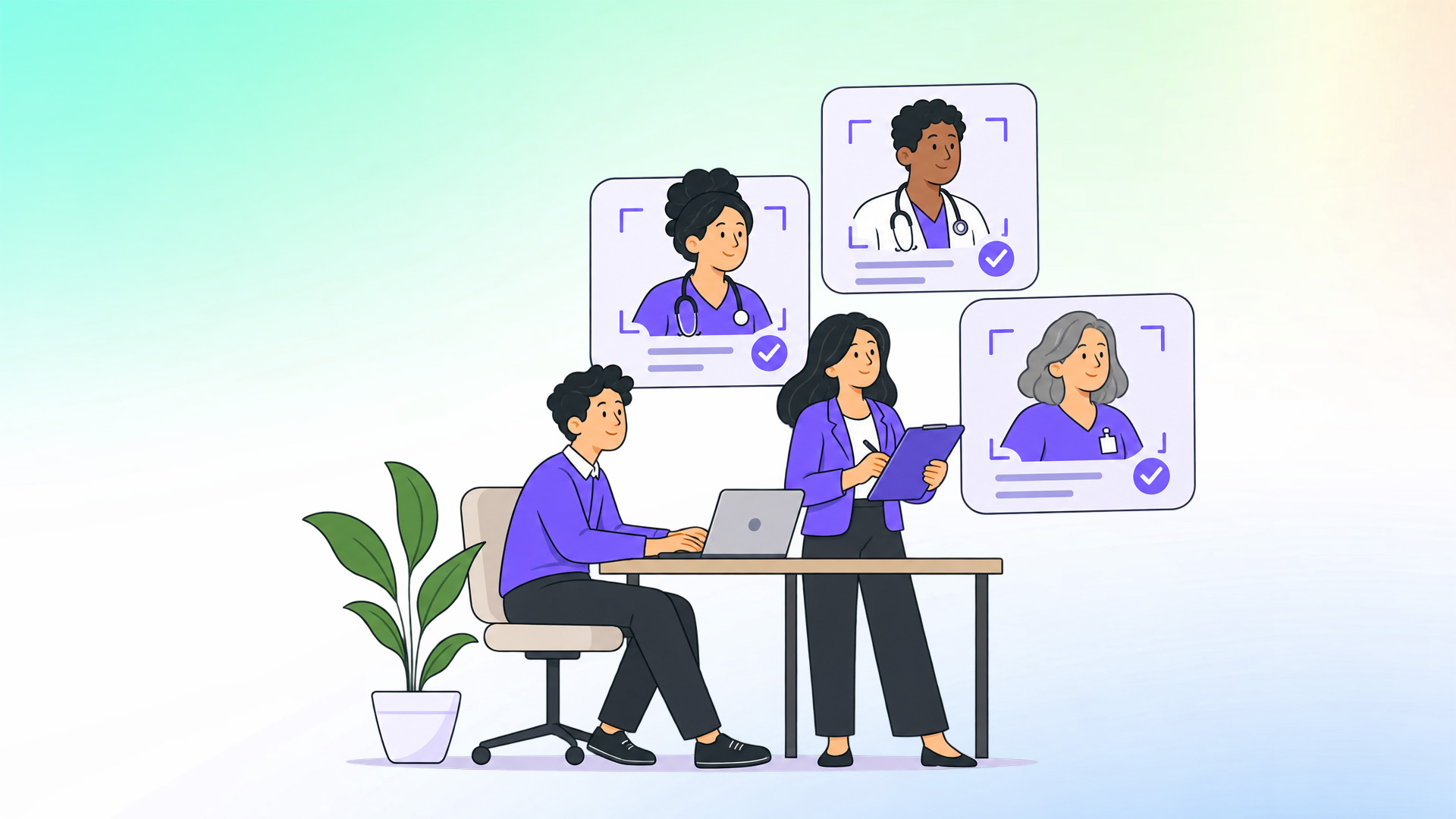
The recruiter opens five candidate packets. Each one has a resume, pre-screen notes from a real phone conversation, confirmed availability, specialty fit documentation, and compensation expectations already on the table. Every candidate is a nurse practitioner. Every candidate has been spoken to. Every candidate knows what the position involves and said they were interested.
The recruiter reads the first packet. Family nurse practitioner, primary care experience, right state license, available in three weeks. The pre-screen notes say she is leaving her current position because the patient volume is unsustainable and she wants a smaller practice setting. That is directly relevant to the role. The recruiter knows it before the first call.
The hiring manager gets a shortlist, not a status update. Five candidates, all qualified, with context on each one that a resume alone would never provide. The conversation is about which candidates to prioritize, not how many resumes are left to review.
The first interview is scheduled for tomorrow morning.
The position that has been open for eight days now has five people on the calendar inside 48 hours of the shortlist arriving. Not because the recruiter worked harder. Because the sourcing stage happened somewhere else, against a nationwide network of nurse practitioner candidates, before the inbox ever opened.
That is what NPHire delivers. The sourcing, the outreach, the pre-screen calls, the candidate packets. The recruiter's day starts at the interview, not at resume 1 of 112. The hiring manager gets real results, not a count of how many applications came in. The position gets filled. The patient care gap closes.
The Inbox Is Not the Problem. The Process Is.
The recruiter who spent the day working through 112 NP resumes is not bad at their job. They are good at a job that should not exist in its current form.
orting unqualified applications is not healthcare recruitment. It is the byproduct of a sourcing channel that was never designed to find nurse practitioners specifically, producing volume that someone has to process before any actual hiring can begin.
The cost of that day is not just the hours. It is the three qualified candidates who sat in a flagged folder while the recruiter worked through 89 other resumes. It is the strong candidate who applied three days ago and already took another call. It is the hiring manager who got an update instead of a shortlist. It is the position that stays open another week while the inbox refills overnight.
Healthcare recruiting was not always this way, and it does not have to stay this way. The nurse practitioner candidates who fit the role exist.
They are active in the market, evaluating np jobs, talking to nurse practitioner recruiters, and making decisions on timelines that full inboxes do not accommodate. Reaching them requires a sourcing model built around their specialty, their availability, and their actual interest in the specific position, not a job board posting that reaches everyone and qualifies no one.
NPHire handles the part of the day that should never have been the recruiter's to begin with. The sourcing, the outreach, the pre-screen calls against the unique requirements of the role, and the candidate packets that arrive with everything the hiring manager needs to schedule an interview. What the internal team gets is five qualified nurse practitioners on the calendar, real results instead of inbox management, and a day that starts at the interview rather than at resume one of one hundred and twelve.
Frequently Asked Questions
1. Why do NP job postings generate so many unqualified resumes in healthcare recruitment?
General job boards are built to maximize application volume across the broadest possible audience, which means a nurse practitioner jobs posting reaches registered nurses, physician assistants, and job seekers from adjacent healthcare fields alongside the qualified nurse practitioner candidates the position requires. Nurse practitioners are in high demand and require a tailored recruitment approach, yet most general job boards apply the same broad distribution logic to NP jobs that they apply to every other healthcare position in the market. Recruiters who post jobs on specialized boards for nurse practitioners instead of general platforms consistently receive smaller, higher quality applicant pools that require significantly less screening time to produce a qualified candidate shortlist.
2. How long does hiring a nurse practitioner typically take and why?
Hiring a nurse practitioner typically takes one to three months through traditional job board and general healthcare recruiting channels. That timeline reflects the combined cost of sourcing from broad audiences, screening high volumes of unqualified resumes, delayed candidate response times, and credentialing and compliance processes that add weeks between offer and start date. Recruiters who maintain a talent pipeline for future hiring needs and use specialized NP sourcing channels can compress that timeline significantly. Some specialized recruiting services can provide candidates within 24 to 48 hours of intake by drawing from pre-screened nurse practitioner networks rather than starting each search from a cold job posting.
3. What does high NP resume volume actually cost a clinic per search?
High NP resume volume costs a clinic in recruiter labor, delayed candidate response times, and lost qualified candidates who accepted positions elsewhere while the inbox was being processed. A recruiter spending four hours per day screening unqualified applications at a fully loaded hourly rate of $35 to $50 generates $140 to $200 in daily labor cost before a single qualified nurse practitioner candidate is contacted. The harder cost is the qualified candidate who applied on day one, sat uncontacted for three days while 88 other resumes were reviewed, and accepted a position with an employer who reached out the same day the application arrived. Fast communication and streamlined processes are critical in hiring nurse practitioners, and volume-driven sourcing models work against both.
4. How does screening overload affect NP recruitment response times?
When a nurse practitioner recruiter is working through 100 plus applications, the candidates who applied first wait the longest before being contacted. Qualified nurse practitioner candidates are evaluating multiple np jobs simultaneously and responding to the employers who reach out fastest. Transparent communication about compensation and next steps can prevent candidate drop-off during hiring, but that communication cannot happen when the recruiter is still processing page three of an unqualified applicant pool. Candidate outreach should be personalized to engage passive candidates effectively, and personalized outreach is not possible when the recruiter's day is consumed by volume management rather than candidate relationship building.
5. What credentials and requirements does an NP recruiter need to verify before presenting candidates?
Nurse practitioners require specific clinical certifications and state licensures that vary by specialty and practice authority status, and credential screening involves verifying active nursing licenses, educational backgrounds, board certifications, and any specialty-specific requirements the role demands. Recruiters must understand the distinctions between various NP specialties and state regulations to screen candidates accurately, because a family nurse practitioner licensed in one state cannot practice in another without additional licensure regardless of how strong the rest of their profile looks. Recruitment agencies assist with licensing and credentialing processes, and organizations that outsource this stage to specialists with existing compliance infrastructure reduce the administrative burden on internal teams while improving screening accuracy.
6. What does a curated NP candidate shortlist look like compared to a full inbox?
A curated NP candidate shortlist contains five to eight nurse practitioner candidates whose credentials, specialty fit, state licensure, availability, and compensation expectations have been verified through real pre-screen conversations before the document reaches the hiring manager. Each entry includes a resume, pre-screen notes covering what the candidate said about their current situation and interest in the role, confirmed availability, and compensation expectations already on the table. Over 73 percent of placed providers stay past year three in healthcare roles when the placement process included thorough pre-screening and cultural fit assessment, compared to significantly lower retention rates for hires made under time pressure from unmanaged applicant pools.
7. Which NP specialties and markets are hardest to hire for and why?
Cardiology and emergency medicine are among the highest demand specialties for nurse practitioners, alongside behavioral health and psychiatric mental health where the qualified candidate pool is narrow relative to growing patient need. Texas and Florida are projected to grow NP jobs by 20 and 18 percent respectively by 2026, making those markets increasingly competitive for employers. Rural areas present the most acute hiring challenges, with some organizations offering sign-on bonuses between $10,000 and $30,000 to attract qualified nurse practitioners to underserved communities. Recruiters who maintain talent pipelines and relationships with nurse practitioner candidates across high-demand specialties and geographies are better positioned to fill these roles than those relying on job board postings alone.
8. How does NPHire reduce the NP resume screening burden for hiring teams?
NPHire handles the sourcing, outreach, and pre-screening stages of nurse practitioner recruitment before a single resume reaches the hiring team's inbox. Drawing from a network of 35,000 NPs built over nine years across 45 states, the service runs AI matching filtered by specialty, geography, and compensation alongside human pre-screen calls that confirm each candidate's availability, licensure status, and genuine interest in the specific role. The hiring team receives five interview-ready nurse practitioners with pre-screen notes, specialty fit documentation, and compensation expectations already documented, replacing the full inbox with a curated shortlist that starts where the recruiter's day should have started all along.

.webp)