

.webp)
High-impact nurse practitioner roles carry vacancy risk that extends well beyond a standard staffing gap, disrupting multiple departments, patient populations, and revenue streams simultaneously. When family nurse practitioners, psychiatric mental health NPs, or women's health nurse practitioners leave a position open, the consequences accumulate faster and spread further than most healthcare organizations anticipate. The roles worth protecting are rarely the ones that get the most workforce planning attention before they open.
Why Some Nurse Practitioner Roles Carry More Vacancy Risk Than Others
Not every open NP position creates the same operational disruption. A vacancy in a role with a narrow patient panel, limited specialty dependencies, and straightforward coverage options is a manageable staffing problem. A vacancy in a role that anchors care delivery for a specific patient population, coordinates long term treatment plans across multiple providers, or serves as the primary clinical resource for a high-volume service line is a different category of problem entirely.
Healthcare organizations that treat all nurse practitioner roles as equivalent vacancy risks are consistently surprised by how much disruption certain open positions generate. Family nurse practitioners managing chronic conditions and preventive care across large primary care panels, pediatric nurse practitioners providing family centered care for young patients and infants, psychiatric mental health NPs delivering mental health services in settings with limited alternative coverage, and women's health nurse practitioners coordinating treatment plans for specific patient populations all sit at clinical junctions where their absence reshapes how care is delivered across the organization.
The financial exposure follows the same pattern. High-impact NP roles tend to concentrate revenue, patient access, and care team stability in ways that make their vacancy more expensive per week than a standard open position. When a family nurse practitioner role goes unfilled in a primary care setting, the lost appointment volume, increased physician workload, and patient access disruption compound across the entire panel rather than staying contained within a single department.
Identifying which nurse practitioner roles carry the highest vacancy risk before those positions open is one of the most under-leveraged workforce planning opportunities available to healthcare organizations managing growing patient demand across primary care, acute care, mental health, women's health, and family medicine settings.
How High-Impact NP Roles Disrupt More Than One System When They Go Vacant
High-impact nurse practitioner roles do not create isolated staffing gaps when they go vacant. They trigger disruptions that spread across clinical workflows, financial performance, and care team stability simultaneously, and the speed at which each area is affected depends on how central the role was to the organization's daily care delivery operations.
The Clinical Junctions Where a Single Nurse Practitioner Role Reshapes Care Delivery
Certain nurse practitioner roles function as clinical anchors for specific patient populations, service lines, and care coordination workflows. When those positions go vacant, the clinical impact extends beyond the patients directly assigned to the role and reshapes how care is delivered across the broader organization.
- Family nurse practitioners managing primary care panels for patients across age groups, chronic conditions, and preventive care needs leave behind a patient population with no consistent provider to diagnose conditions, manage medications, write prescriptions, or coordinate diagnostic tests
- Psychiatric mental health NPs providing mental health services in hospitals, clinics, and community settings create immediate access gaps for patients managing long term treatment plans that require consistent provider relationships to remain effective
- Pediatric nurse practitioners and neonatal nurse practitioners serving young patients, infants, and families in family centered care environments disrupt care continuity for patient populations with limited alternative access to specialized advanced practice nurses
- Women's health nurse practitioners coordinating treatment plans, preventive care, and ongoing health conditions for a specific patient population leave behind clinical responsibilities that primary care physicians and physician assistants absorb imperfectly during vacancy periods
- Adult gerontology and family medicine NPs managing elderly patients in nursing homes and long term care settings create coverage gaps that affect the most clinically vulnerable patient populations when those nurse practitioner roles remain unfilled
The clinical disruption created by high-impact NP vacancies is not proportional to the size of the role. It is proportional to how many patients, providers, and care workflows depended on that position being filled.
The Financial Exposure That Concentrates Around High-Impact NP Roles
High-impact nurse practitioner roles generate disproportionate financial exposure when they go vacant because the revenue, patient access, and operational stability they support does not redistribute evenly across the remaining care team. The financial consequences accumulate across multiple budget lines simultaneously and extend well beyond the duration of the vacancy itself.
- Family nurse practitioner vacancies in high-volume primary care settings reduce billable appointment capacity across large patient panels, generating lost revenue that compounds across every week the position remains open
- Psychiatric mental health NP vacancies in mental health service lines create coverage gaps that increase locum tenens and agency dependency in a specialty where qualified temporary coverage is difficult to obtain and expensive to maintain
- Pediatric nurse practitioner and women's health nurse practitioner vacancies in specialty-dependent service lines reduce the organization's ability to provide care for specific patient populations, affecting both revenue performance and patient satisfaction outcomes
- Primary care physician workload increases during high-impact NP vacancies, reducing the efficiency of the broader care team and generating overtime costs that accumulate across extended vacancy periods
- Recruitment expenses for high-impact nurse practitioner jobs tend to be higher than standard NP roles because the specialty training, certification exam requirements, and advanced training needed for these positions narrows the qualified candidate pool and extends hiring timelines
The financial exposure of a high-impact NP vacancy is not visible in a single budget line. It distributes across lost revenue, temporary coverage costs, physician overtime, and the downstream workforce instability that extended vacancies generate across the care team.
The Workforce Pressure That Builds When Key Nurse Practitioner Roles Stay Open
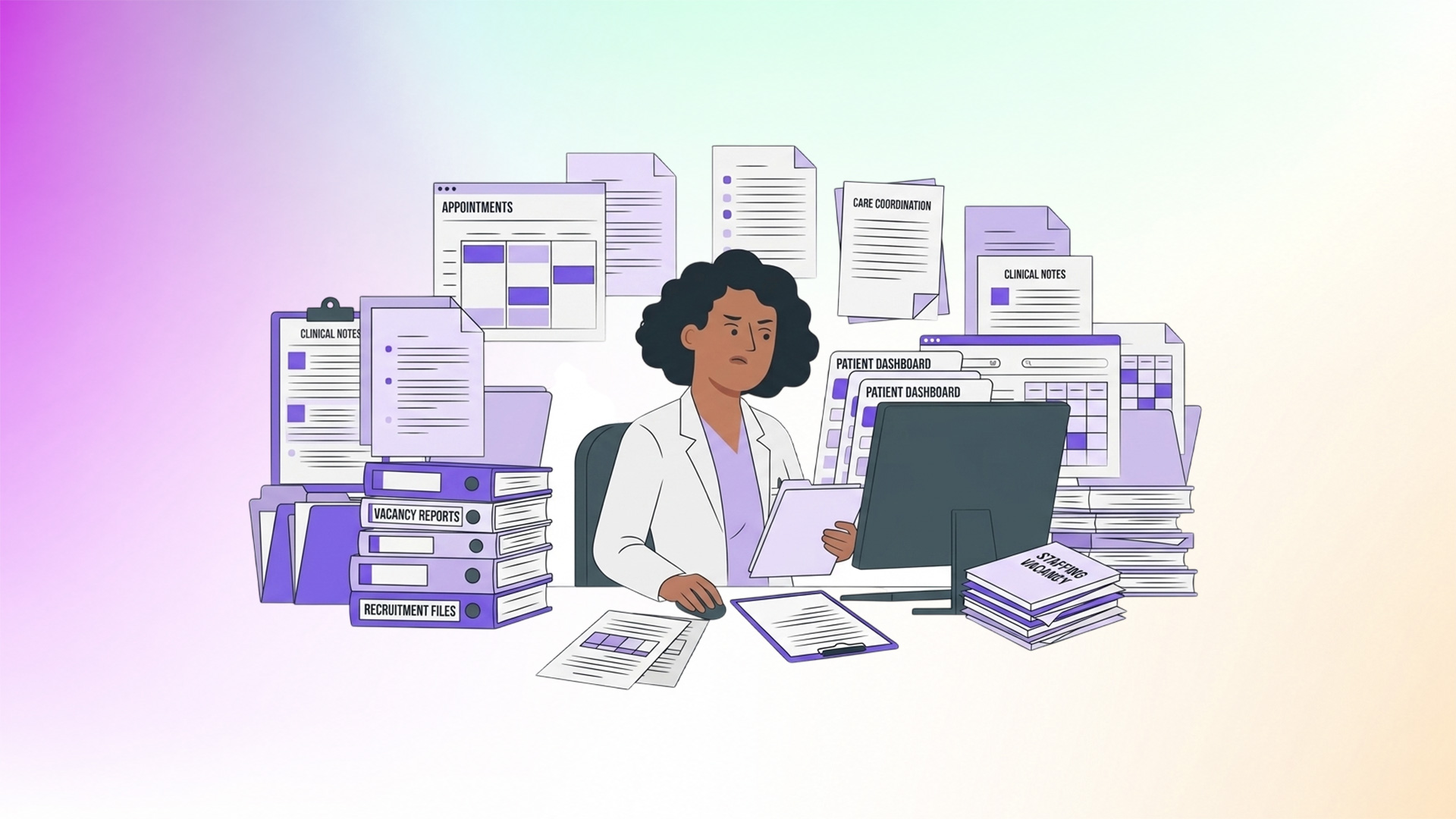
High-impact NP vacancies do not only affect patients and financial performance. They place concentrated pressure on the healthcare professionals responsible for absorbing the clinical responsibilities of the open position, creating workforce instability that compounds across the care team the longer the vacancy remains unfilled.
- Primary care physicians absorbing additional patient panels during family nurse practitioner vacancies face workload pressure that reduces their capacity for complex diagnosis, specialist referrals, and the advanced practice responsibilities that require their specific training
- Advanced practice nurses and physician assistants covering psychiatric mental health NP vacancies in mental health settings take on treatment plan management, medication prescriptions, and patient centered care responsibilities that extend beyond their primary clinical focus
- Care teams in pediatric, women's health, and family medicine settings experience scheduling instability, increased administrative burden, and reduced capacity for preventive care and diagnostic tests when high-impact nurse practitioner roles remain vacant
- Burnout risk accelerates among healthcare professionals absorbing the responsibilities of high-impact NP vacancies in work environments where patient demand continues growing while clinical capacity contracts around the open position
- Retention risk increases across the broader care team when high-impact nurse practitioner roles stay vacant long enough that existing staff begin questioning whether the organization can maintain the workforce stability they need to deliver patient centered care consistently
Workforce pressure from high-impact NP vacancies does not stay contained within the department directly affected. It spreads across the care team and creates secondary retention and burnout risks that can generate additional vacancies before the original position is filled.
The NP Roles Worth Protecting Before They Open
High-impact nurse practitioner roles do not become operationally significant the moment they go vacant. They were already significant — anchoring care delivery for specific patient populations, supporting long term treatment plans, managing chronic conditions across large primary care panels, and holding together the clinical workflows that keep psychiatric mental health, women's health, pediatric, and family medicine service lines running consistently. The vacancy reveals the weight the role was carrying. It does not create it.
Healthcare organizations that wait until a high-impact NP role opens to begin assessing its operational consequence are already managing the disruption rather than preventing it. The financial exposure, patient access deterioration, and workforce pressure that follow a family nurse practitioner, psychiatric mental health NP, or women's health nurse practitioner vacancy do not pause for a recruiting process to catch up. They begin accumulating on the day the position opens and compound across every week it remains unfilled.
Protecting high-impact nurse practitioner roles requires the same operational discipline as protecting any other critical function within the organization. That means identifying which NP jobs carry the highest vacancy risk before departures occur, building pipeline infrastructure around the specialties where qualified candidates are hardest to find quickly, and designing hiring processes calibrated to the advanced training, certification requirements, and patient centered care capabilities those roles demand.
The organizations that do this work in advance are not simply faster at filling positions. They are building a workforce infrastructure that absorbs departure risk without passing the full operational cost of every vacancy onto patients, physicians, and the care teams responsible for keeping services running in between.
NPHire gives healthcare organizations direct access to nurse practitioners across high-impact specialties, supporting faster vacancy resolution where extended open positions carry the most consequence.
Frequently Asked Questions
1. What makes an NP role high-impact from an operational standpoint?
A nurse practitioner role carries high operational impact when its vacancy disrupts more than one department, patient population, or revenue stream simultaneously. Family nurse practitioners managing large primary care panels, psychiatric mental health NPs delivering mental health services in settings with limited alternative coverage, and women's health nurse practitioners coordinating long term treatment plans for specific patient populations all sit at clinical junctions where their absence reshapes care delivery across the organization. The defining characteristic of a high-impact NP role is not its title but how many clinical workflows, patients, and care team functions depended on it being filled.
2. Which nurse practitioner roles carry the highest vacancy risk?
The nurse practitioner roles that consistently carry the highest vacancy risk are those serving specific patient populations with limited alternative access to qualified advanced practice nurses. Family nurse practitioners in high-volume primary care settings, psychiatric mental health NPs in mental health service lines, pediatric nurse practitioners and neonatal nurse practitioners serving young patients and infants, women's health nurse practitioners coordinating preventive care and treatment plans, and adult gerontology NPs managing elderly patients in nursing homes and long term care settings all generate disproportionate operational disruption when their positions go vacant. These roles combine high patient dependency, specialty-specific advanced training requirements, and narrow qualified candidate pools that extend hiring timelines.
3. How do high-impact NP roles affect physician workload when vacant?
When high-impact nurse practitioner roles go vacant, primary care physicians and other healthcare professionals absorb the clinical responsibilities the open position was managing across patient panels, treatment plans, diagnostic tests, medication prescriptions, and care coordination. In family medicine and primary care settings, that workload increase reduces physician capacity for complex diagnosis, specialist referrals, and the advanced practice responsibilities that require their specific training. Extended high-impact NP vacancies accelerate physician burnout, reduce scheduling flexibility, and generate overtime costs that compound across the full duration of the open position.
4. What is the financial exposure of a high-impact nurse practitioner role vacancy?
The financial exposure of a high-impact NP vacancy distributes across lost appointment revenue, locum tenens and agency coverage costs, physician overtime, and the downstream workforce instability that extended vacancies generate across the care team. Family nurse practitioner vacancies in high-volume primary care settings reduce billable capacity across large patient panels while psychiatric mental health NP vacancies create expensive temporary coverage gaps in a specialty where qualified locum support is difficult to obtain. Recruitment expenses for high-impact nurse practitioner jobs also tend to be higher because the advanced training, certification exam requirements, and specialty experience these roles demand narrows the qualified candidate pool and extends hiring timelines.
5. How do organizations identify which NP roles carry the most operational risk?
Healthcare organizations identify high-impact NP roles by evaluating which positions anchor care delivery for specific patient populations, coordinate long term treatment plans across multiple providers, or serve as the primary clinical resource for high-volume service lines. Roles where vacancy immediately affects appointment availability, physician workload, patient access to preventive care, or the continuity of chronic condition management carry higher operational risk than positions with more flexible coverage options. Workforce planning frameworks that categorize nurse practitioner roles by vacancy risk level give leadership teams clearer visibility into which open positions require priority recruiting attention.
6. What workforce planning strategies protect high-impact nurse practitioner roles?
Protecting high-impact nurse practitioner roles requires building pipeline infrastructure around the specialties where qualified candidates are hardest to find quickly, including family nurse practitioner, psychiatric mental health, pediatric, women's health, and adult gerontology. Coverage strategies that address patient panel reassignment, treatment plan continuity, and care coordination handoffs during vacancy periods reduce the clinical disruption high-impact NP departures create. Hiring processes calibrated to the advanced training, certification requirements, and patient centered care capabilities these roles demand also improve the speed and quality of replacement hires before extended vacancies generate compounding operational damage.
7. How does a vacant high-impact NP role affect care team stability?
High-impact NP vacancies place concentrated workload pressure on the healthcare professionals absorbing the clinical responsibilities of the open position, accelerating burnout risk and creating secondary retention risks across the broader care team. Advanced practice nurses, physician assistants, and primary care physicians covering psychiatric mental health, pediatric, women's health, and family medicine NP vacancies take on treatment plan management, medication prescriptions, and patient centered care responsibilities that extend beyond their primary clinical focus. When high-impact nurse practitioner roles stay vacant long enough, the workforce instability they generate can produce additional departures before the original position is filled.
8. How long does it typically take to fill a high-impact nurse practitioner role?
Nurse practitioner roles generally take longer to fill than standard NP positions because the advanced training, specialty certification, and patient centered care experience they require narrows the qualified candidate pool significantly. Family nurse practitioner, psychiatric mental health, pediatric, and women's health nurse practitioner roles all demand specific clinical backgrounds that cannot be substituted with general advanced practice experience, which extends hiring timelines in ways that compound the operational and financial damage of the vacancy. Healthcare organizations that build pipeline infrastructure around these specialties before positions open consistently reduce the time between departure and a qualified replacement reaching full clinical productivity.


.webp)