

.webp)
Your NP hiring process shapes your employer brand by influencing how nurse practitioners experience your organization from the first interaction. Clear communication, structured interviews, and realistic expectations help attract strong candidates, while delays and inconsistencies can affect how nurse practitioners evaluate the role and employer.
How Nurse Practitioner Hiring Reflects NP Employer Brand in Healthcare
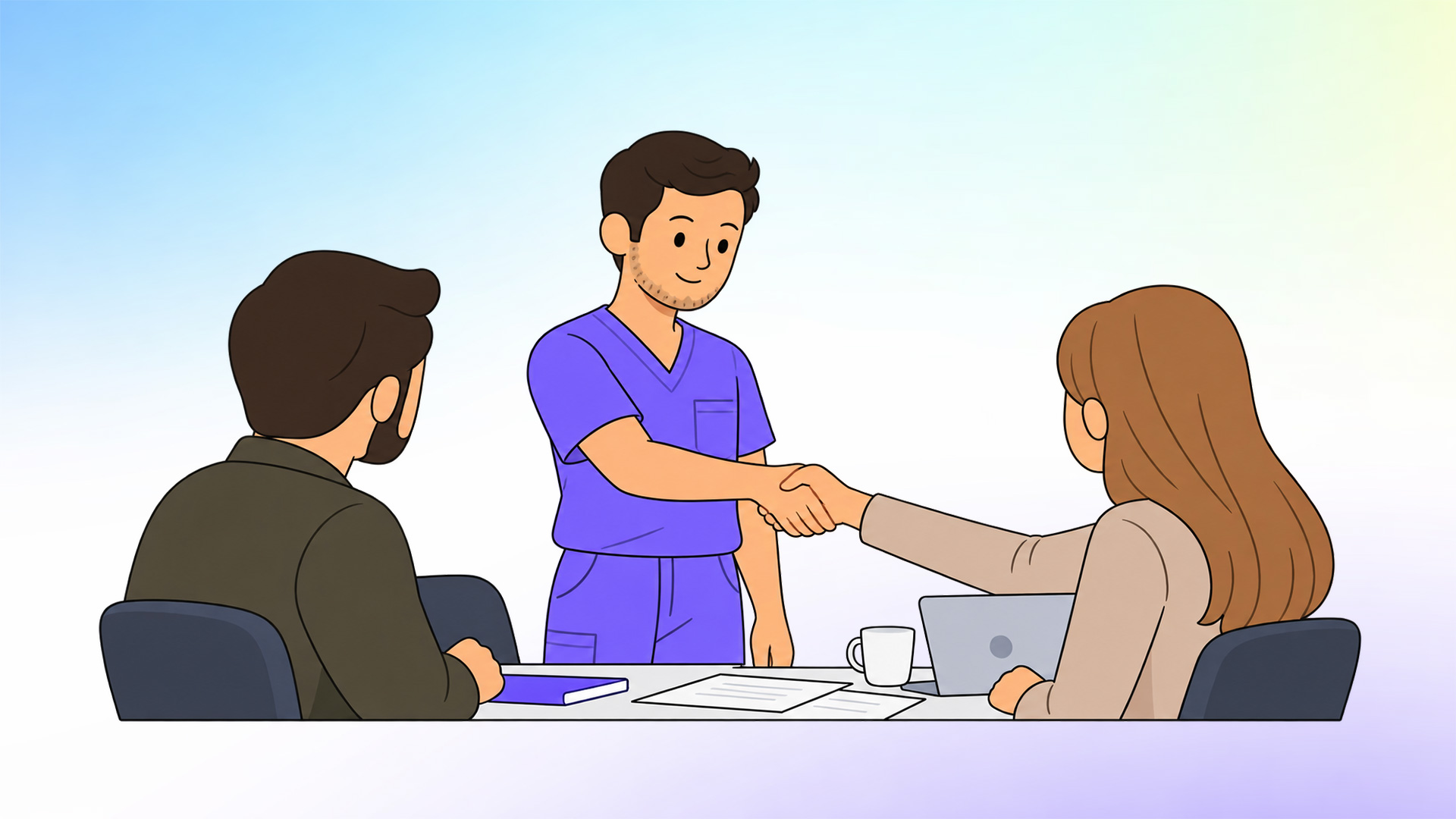
Nurse practitioner hiring often represents the first point of direct interaction between candidates and an employer. During the interview process, nurse practitioners begin forming opinions about how a healthcare organization communicates, operates, and supports its team.
This stage provides insight into more than the open position. Candidates observe how interviews are conducted, how information is shared, and how clearly expectations are communicated. These details influence how nurse practitioners evaluate a potential role, their ability to contribute, and whether the position aligns with their career goals.
Several elements of nurse practitioner hiring shape how candidates interpret an employer’s brand.
- The structure of the interview process, including scheduling, organization, and flow across interviews
- Communication throughout the process, including timely follow up and clarity around next steps
- How interviewers present responsibilities, expectations, and daily operations within the practice
- The level of detail provided about team dynamics, support systems, and available resources
- The use of clinical scenarios to reflect real responsibilities and decision-making in healthcare settings
Each interaction contributes to how candidates assess the role and the organization behind it. Nurse practitioners often use the hiring experience to evaluate leadership, management approach, and how teams function in practice.
The process also influences expectations around training, support, and long-term growth. Clear communication and structured interviews indicate a more organized approach to hiring, while gaps in the process can create uncertainty around the role and the work environment.
Where the NP Hiring Process Breaks Down in Healthcare Hiring
Breakdowns in the np hiring process often occur at points where expectations, communication, and timing are not clearly aligned. These gaps can affect how candidates experience the process and how they evaluate an employer before making a decision.
For nurse practitioners, the hiring experience provides insight into how an organization manages its teams, supports providers, and handles daily operations. When the process lacks structure, candidates may question how those same patterns appear in clinical practice.
Several common issues contribute to breakdowns in nurse practitioner hiring.
- Delays between application, interviews, and final decisions that leave candidates without clear direction
- Limited follow up after interviews, creating uncertainty around next steps and timeline
- Job descriptions that do not fully reflect responsibilities, patient care expectations, or workload
- Interview processes that feel inconsistent across interviewers or lack alignment with the actual position
- Lack of clarity around scheduling, hours, benefits, and support available to providers
These challenges influence how nurse practitioners interpret the organization as a whole. Candidates often compare experiences across multiple opportunities, and differences in communication or structure become more noticeable during that process.
In some cases, strong candidates move forward with other roles when the hiring experience does not meet expectations. This shifts the available talent pool and makes it more difficult for employers to secure candidates who align with the position and team.
How the NP Hiring Process Shapes Nurse Practitioner Hiring Outcomes
The np hiring process plays a central role in how candidates interpret an opportunity and the organization behind it. Throughout interviews, nurse practitioners are forming opinions based on how information is shared, how questions are handled, and how clearly expectations are communicated.
Candidates often use this experience to understand how a team operates in practice. The way interviewers speak about daily operations, patient care, and collaboration with physicians and other providers gives insight into how work is structured and how responsibilities are managed.
Several aspects of the hiring process influence how nurse practitioners evaluate a position.
- The level of transparency around responsibilities, workload, and expectations within the role
- How interviewers describe team structure, leadership, and support available to providers
- Alignment between what is shared during interviews and what candidates expect in clinical practice
- The ability of candidates to ask questions and discuss concerns related to their background, skills, and career goals
- How clearly the organization communicates next steps, timelines, and decision-making processes
These interactions shape how candidates decide whether to move forward. Nurse practitioners often consider how well the process reflects their expectations for professional growth, support, and the ability to deliver quality care to patients.
Differences in how organizations handle interviews can influence which opportunities candidates prioritize. Small details in communication, structure, and consistency tend to stand out, especially when candidates are comparing multiple positions at the same time.
Improving Nurse Practitioner Hiring to Strengthen NP Employer Brand
Improving nurse practitioner hiring requires more than adjusting a single step in the interview process. The way organizations structure communication, present roles, and engage with candidates influences how nurse practitioners evaluate both the position and the employer.
In many healthcare settings, candidates are actively comparing multiple jobs at the same time. The hiring experience becomes part of how employers attract and identify the best candidates within a competitive pool. Small differences in clarity, timing, and organization often influence which opportunities move forward.
Several adjustments can strengthen nurse practitioner hiring outcomes.
- Clear communication throughout interviews, including expectations, responsibilities, and next steps
- Consistent follow up that allows candidates to stay informed and engaged during the hiring process
- Job descriptions that reflect actual clinical practice, patient care responsibilities, and daily operations
- Interview structures that align with the skills, certifications, and expertise required for the position
- Defined timelines that help candidates plan their transition and evaluate opportunities effectively
These elements shape how candidates experience the process and how they interpret the organization behind it. Nurse practitioners often look for alignment between what is discussed during interviews and what they can expect in practice, including workload, team support, and access to resources.
Organizations that maintain a structured approach to hiring are better positioned to attract candidates who are seeking stability, professional growth, and the ability to deliver care effectively.
Consistency across the hiring process also helps employers build stronger connections with candidates who are evaluating long-term career opportunities in healthcare.
How Healthcare Hiring Practices Influence NP Employer Brand and Retention
Healthcare hiring practices shape how nurse practitioners interpret an employer long before they join a team. The interview process, communication style, and overall experience influence how candidates approach the position and what they expect once they begin working.
For many nurse practitioners, the hiring experience becomes a reference point. It informs how they anticipate daily operations, team collaboration, and support from leadership. Details discussed during interviews, such as workload, scheduling, and available resources, often carry into how providers evaluate their long-term fit.
Several aspects of nurse practitioner hiring influence both employer brand and retention.
- Alignment between what is shared during interviews and what nurse practitioners experience in practice
- Consistency in communication, including follow up and clarity around expectations
- How employers present team structure, leadership, and support systems
- The ability of candidates to discuss concerns related to their skills, background, and career goals
- Realistic representation of responsibilities, including patient care, hours, and clinical expectations
These factors shape how nurse practitioners settle into a role after they join. When expectations match the day-to-day experience, providers are more likely to stay engaged and continue building within the organization.
Differences between the hiring experience and actual practice tend to surface over time. Nurse practitioners often notice when initial expectations around workload, support, or team dynamics do not align with their experience. This can influence how they view the organization and whether they choose to remain in the position.
Nurse Practitioner Hiring as a Foundation of NP Employer Brand
Nurse practitioner hiring plays a central role in how organizations are perceived across the healthcare industry. The interview process, communication, and overall candidate experience shape how nurse practitioners evaluate employers before they ever join a team.
Each interaction during hiring contributes to how candidates interpret leadership, daily operations, and the level of support available within a position. These impressions often carry forward into how nurse practitioners approach their work, collaborate with providers, and engage with patients.
Organizations that maintain structured hiring processes, clear communication, and realistic expectations are better positioned to attract candidates who align with the role and the team. These approaches also support stronger retention by creating consistency between what is discussed during interviews and what nurse practitioners experience in practice.
Over time, hiring practices influence how employers build their reputation within the nurse practitioner community. Consistency, clarity, and alignment across the hiring process shape how organizations are viewed, how candidates respond to new opportunities, and how teams continue to grow within the healthcare environment.
FAQs on Nurse Practitioner Hiring and Employer Brand
1. How does nurse practitioner hiring affect employer brand?
Nurse practitioner hiring shapes employer brand through the candidate experience. The interview process, communication, and expectations influence how nurse practitioners perceive an organization.
2. What is an NP employer brand in healthcare?
An NP employer brand reflects how nurse practitioners view an employer based on hiring practices, work environment, and overall experience within the organization.
3. Why is the interview process important in nurse practitioner hiring?
The interview process gives candidates insight into daily operations, team structure, and leadership. It helps nurse practitioners decide whether a position aligns with their career goals.
4. What are common challenges in the NP hiring process?
Common challenges include delayed follow up, unclear job expectations, inconsistent interviews, and lack of communication throughout the hiring process.
5. How can employers attract the best nurse practitioner candidates?
Employers attract strong candidates by maintaining clear communication, structured interviews, and realistic expectations about the position and clinical responsibilities.
6. How does poor healthcare hiring impact candidate experience?
Poor healthcare hiring can create uncertainty and frustration for candidates. This may lead nurse practitioners to pursue other jobs or question the organization’s ability to support its team.
7. What role does transparency play in nurse practitioner hiring?
Transparency helps candidates understand responsibilities, expectations, and benefits. Clear information supports better decision-making and builds trust during the hiring process.
8. How do nurse practitioners evaluate employers during interviews?
Nurse practitioners assess how interviewers communicate, how the process is structured, and how well the organization explains team dynamics, support, and clinical practice.
9. Can the hiring process influence nurse practitioner retention?
The hiring process can influence retention by setting expectations early. When those expectations align with actual practice, nurse practitioners are more likely to remain in the position.
10. What improvements can strengthen healthcare hiring for nurse practitioners?
Improvements include faster communication, consistent follow up, structured interviews, and clear job descriptions that reflect real responsibilities in clinical practice.

.webp)