

.webp)
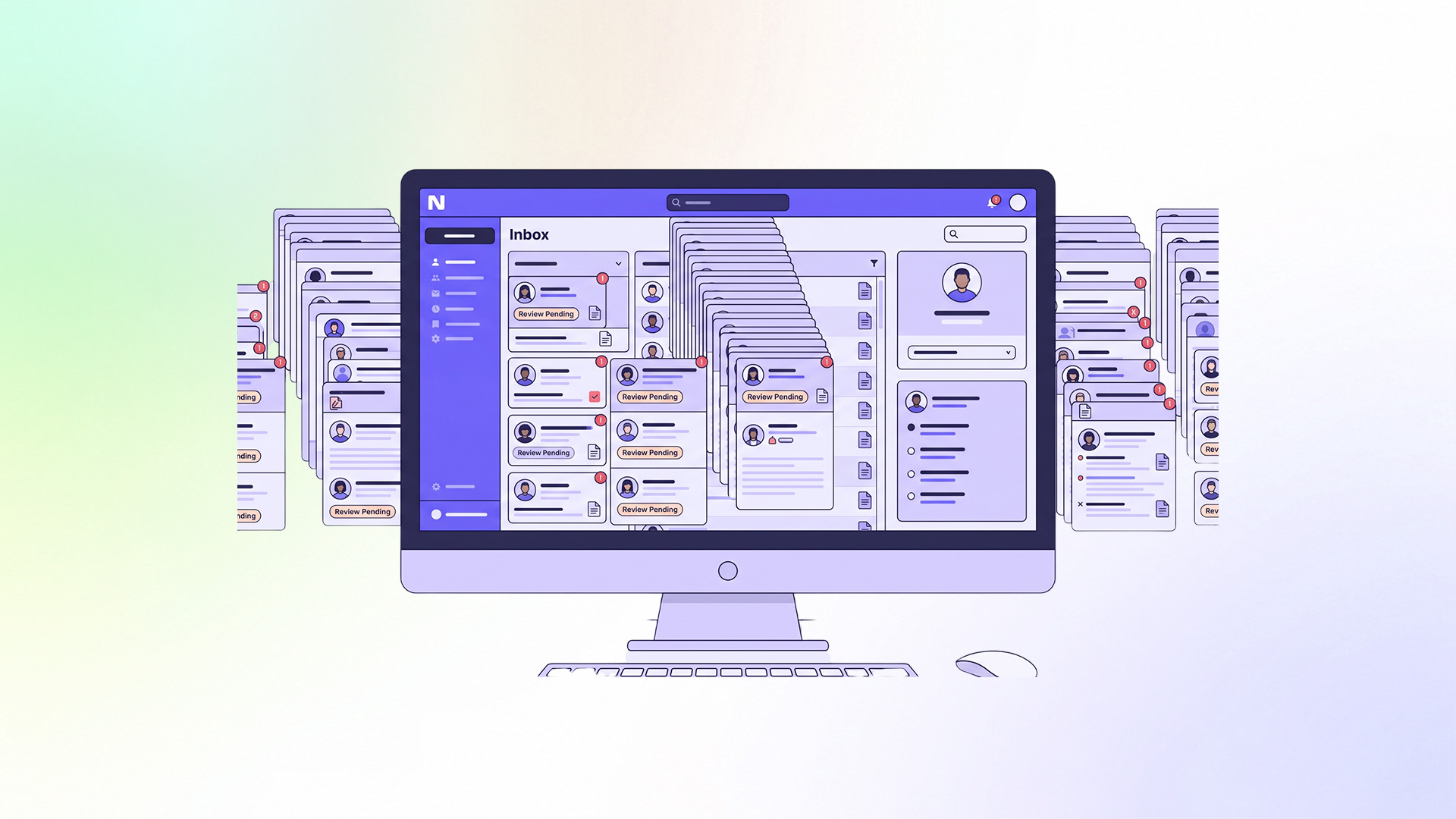
Healthcare organizations that spend hours sorting through unqualified applicants in every NP search are facing a sourcing problem, and more filters on a general job board will not fix it. The hiring team time consumed by unqualified candidates reviewing resumes, scheduling interviews, and identifying who does not meet basic nurse practitioner certifications or NPI requirements is time that qualified candidates are using to accept positions elsewhere. The organizations that find nurse practitioners fastest have stopped trying to screen their way out of a problem that starts before a single applicant hits their inbox.
Why Unqualified Applicants Keep Flooding Every NP Search
General job boards were built to generate application volume across a broad audience. That model works reasonably well for roles where the candidate pool is large and the qualifications are relatively standard.
Nurse practitioner jobs sit outside that category entirely. The certifications, NPI requirements, specialty training, and clinical experience that define a qualified NP candidate are specific enough that a general job board audience will always produce more unqualified candidates than qualified ones for any given NP role.
Healthcare employers posting nurse practitioner jobs on general platforms are essentially paying to reach an audience that includes registered nurses, medical assistants, physicians, and other healthcare professionals who do not meet the core qualifications the position requires.
Those individuals apply in good faith, their resumes enter the hiring team's inbox, and recruiters spend hours every week sorting through applications that should never have reached the search results in the first place.
The problem compounds as job openings attract more listings attention and generate higher application volume over time. More applicants means more hours spent screening, more interview slots wasted on candidates who do not meet basic np role requirements, and less time available for the qualified candidates who are moving through the market quickly and accepting positions at organizations that responded faster.
Every hour a hiring team spends on unqualified NP applicants is an hour that competing employers are using to engage, screen, and move forward with the candidates worth hiring.
Changing where the NP search begins and who it reaches before a single application is submitted is what separates hiring teams that spend hours screening unqualified candidates from those that spend that time evaluating qualified ones.
Where Unqualified NP Applicants Come From and Why Screening Does Not Fix It
Every hiring team has a version of the same experience. Job openings go live, applications arrive within hours, and by the time recruiters work through the inbox the qualified candidates are buried under hundreds of resumes from individuals who do not hold nurse practitioner certifications, do not have an NPI number, and have never worked in an NP role. The volume feels like activity. It produces very little progress toward a hire.
General Job Boards Were Not Built to Find Nurse Practitioners
General job boards were designed to connect employers with job seekers across a wide range of industries and roles. Nurse practitioner jobs sit in a category specific enough that the broad audience these platforms reach creates more noise than signal in every NP search.
- Job openings posted on general platforms reach registered nurses, medical assistants, and other healthcare professionals who meet some but not all of the qualifications required for an NP role, generating unqualified applicants before the first resume is reviewed
- Search results on general job boards prioritize listing visibility over candidate match quality, meaning the highest volume of applications does not correlate with the highest quality of candidates for specialty nurse practitioner positions
- Hiring teams without NP-specific filters spend hours per job opening identifying which applicants hold the right certifications, NPI credentials, and clinical experience before any qualified candidate evaluation can begin
- Employers find that general job board applications frequently include candidates seeking a career change into advanced practice without the training or certifications the position requires, consuming recruiter time without advancing the search
- The cost of posting and promoting nurse practitioner jobs on general platforms increases with application volume, meaning organizations pay more to reach more unqualified candidates while qualified NPs remain harder to find and engage
General job boards are efficient at generating applications. They are not efficient at generating qualified nurse practitioner candidates, and the difference between those two outcomes is where most NP search time gets lost.
Hiring Nurse Practitioners by Screening Harder Is Solving the Wrong Problem
When unqualified applicants flood an NP search, the instinct is to add more filters, tighten the job description, and build more rigorous screening steps into the hiring process. Those adjustments reduce some noise at the margins but leave the core sourcing problem intact.
- Adding screening questions and skills assessments to the application process reduces unqualified candidates slightly but does not address the sourcing channel producing them, meaning the next job opening generates the same volume of unqualified NP applicants under the same conditions
- Hiring teams that invest more hours in resume review, phone screens, and early interview stages to identify qualified candidates are spending recruiter time on a filtering function that better sourcing would eliminate before applications are submitted
- Tightening job descriptions to filter out unqualified candidates also reduces visibility among qualified nurse practitioners who may not match every keyword but meet the core requirements of the NP role
- Recruiter confidence in the candidate pool erodes when the majority of search results and application inboxes consistently produce unqualified NP applicants, making it harder to identify and move quickly on the qualified candidates who do appear
- The hiring team hours consumed by screening unqualified candidates represent a direct opportunity cost measured in the qualified nurse practitioners who accepted positions elsewhere while recruiters were working through applications that should never have been submitted
Screening harder produces marginal improvements in an inefficient process. It does not change the conditions that made the process inefficient in the first place.
The Qualified Candidates Lost While You Sort Through Unqualified NP Applicants
The most consequential cost of unqualified applicant volume is rarely the time spent screening. It is the qualified nurse practitioners who slip through the window while hiring teams are occupied with candidates who were never going to receive an offer.
- Qualified NP candidates with the certifications, NPI credentials, and clinical experience the position requires are evaluating multiple nurse practitioner jobs simultaneously and making decisions on timelines that do not accommodate slow hiring team response times
- Every hour spent reviewing unqualified applicants is an hour that a qualified candidate is waiting for a response, interviewing with a competing employer, or accepting a position at an organization that reached them faster
- Hiring teams that spend the majority of their search time on unqualified candidates have less capacity for the relationship development, follow up, and consistent communication that keeps qualified nurse practitioners engaged through the interview process
- Recruiters who consistently encounter high volumes of unqualified NP applicants develop slower review habits and longer response windows that affect how quickly qualified candidates are identified and contacted even when they do appear in the applicant pool
- The qualified candidates lost to slower competitors during an NP search driven by unqualified applicant volume represent a permanent cost that no amount of post-screening efficiency can recover
The hiring team time that goes into sorting unqualified candidates is not neutral. It actively reduces the organization's ability to compete for the nurse practitioners worth hiring.
What It Actually Looks Like to Hire Nurse Practitioners Without the Noise
Healthcare organizations that have eliminated the unqualified applicant problem from their NP searches did not do it by building better screening infrastructure. They changed where the search begins, who it reaches, and how qualified candidates arrive in front of hiring teams. The result is a recruiting experience where recruiters spend their time evaluating nurse practitioners who meet the position requirements rather than filtering out individuals who never should have applied.
The Organizations That Find Nurse Practitioners Fastest Changed Where the NP Search Begins
The hiring teams producing the most consistent NP search results have moved away from sourcing models that generate application volume and toward ones that generate candidate quality from the first contact. That shift requires a different approach to where nurse practitioner jobs are posted, how candidates are identified, and what arrives in the hiring team's inbox before any screening begins.
- NP-specific sourcing channels that reach only nurse practitioners eliminate the unqualified applicant volume that general job boards generate, ensuring every candidate who enters the search has the certifications, state licensure, and clinical background the role requires before a single conversation takes place
- Specialty-matched sourcing that filters by FNP, PMHNP, AGACNP, WHNP, PNP, and other NP credentials before candidates are contacted gives hiring teams access to talent whose details, location, and availability are already confirmed rather than discovered mid-process
- Pre-screened candidate delivery gives hiring managers access to nurse practitioners whose compensation expectations, certifications, and years of experience have been verified through real conversations, so the first interview is an evaluation rather than a qualification check
- Sourcing models built on established NP relationships rather than general job board listings reach passive candidates open to nurse practitioner jobs but not browsing public platforms, expanding the qualified talent pool beyond the active job seekers generating most of the unqualified applicant noise
- NPHub Hire eliminates the unqualified applicant problem by handling sourcing, AI matching, and human pre-screen calls across a 32,000-NP network built over eight years, delivering five interview-ready nurse practitioners to the hiring team's calendar within 30 days so recruiters spend their time on candidates who matter rather than applications that do not
When the NP search starts with qualified candidates rather than ending with them after hours of filtering, hiring teams reclaim the resources, consistency, and confidence needed to make faster, better decisions for their patients, their care teams, and the communities they serve.
Stop Screening Unqualified Applicants. Start Sourcing Differently.
Every hour a hiring team spends reviewing unqualified NP applicants is an hour that qualified nurse practitioners are using to evaluate other opportunities, complete interviews with faster-moving organizations, and sign offers that remove them from the search entirely. The cost of that dynamic is not abstract. It shows up in longer time to fill, more job openings that restart under the same conditions, and care teams waiting longer for the nurse practitioners patients depend on for physical exams, early detection visits, and ongoing health management.
The unqualified applicant problem is not going to resolve itself through better job descriptions, tighter screening criteria, or more rigorous early interview stages. Those tools address the symptoms of a sourcing model that was never designed to find nurse practitioners specifically.
General job boards reach broad audiences by design, and broad audiences produce unqualified candidates in proportion to their reach. The NP searches generating the most noise are the ones relying most heavily on platforms built for volume rather than clinical precision, and the members of the hiring team absorbing that workload have limited hours to spend on applications that were never going to lead anywhere.
Healthcare organizations that have made the shift to specialty-matched, pre-screened NP sourcing have changed what arrives in their hiring team's inbox before the screening process begins. Qualified candidates with verified certifications, confirmed state licensure, relevant years of experience, and compensation expectations already provided are a different starting point than hundreds of applications that require hours of review before anyone can learn whether a single person meets the basic requirements of the role.
NPHub Hire was built for exactly this problem. Powered by an eight-year, 32,000+ NP network trusted by over 230 academic programs across 45 states, our process combines automated AI matching and human pre-screen calls in parallel. We deliver five specialty-matched, interview-ready nurse practitioners to your calendar in under 30 days for a flat, introductory performance fee of $10,000 (paid only when you hire). With a 6-month replacement warranty, included compensation benchmarking, and a $500 discount if we miss our timeline, we have completely removed the upfront risk and overhead from clinical hiring.
For hiring teams ready to stop spending hours sifting through search results that go nowhere, the app is built, the network is ready, and the service is designed to take the unqualified applicant problem off their plate entirely.
Frequently Asked Questions
1. Why do NP searches on general job boards attract so many unqualified applicants?
General job boards are built to generate application volume across a broad audience that includes registered nurses, medical assistants, physicians, and other healthcare professionals who do not meet the certifications, NPI requirements, or clinical experience that nurse practitioner jobs require. When job openings reach that audience, unqualified candidates apply in good faith and enter the hiring team's inbox alongside the qualified NPs the search was designed to find. The platform's search results prioritize listing visibility over candidate match quality, which means higher application volume does not translate into more qualified nurse practitioners available for the role.
2. How do unqualified NP applicants affect recruiter bandwidth and hiring timelines?
Every hour a recruiter spends reviewing unqualified NP applicants is an hour that qualified candidates are using to evaluate other nurse practitioner jobs, visit competing employers, and sign offers that remove them from the available talent pool. Hiring teams with limited capacity who spend the majority of their search time filtering unqualified candidates develop slower response windows that affect how quickly qualified nurse practitioners are identified and contacted even when they do appear in the search results. Over time, the consistency of this pattern extends hiring timelines, increases job openings that restart under the same conditions, and reduces the organization's ability to compete for the NP talent that matters most to patient care.
3. What is the difference between a screening problem and a sourcing problem when hiring nurse practitioners?
A screening problem means the hiring team is evaluating candidates who apply but struggling to identify the best fit among them. A sourcing problem means the candidates applying through the current channel do not meet the basic qualifications the NP role requires, regardless of how rigorously they are screened. Most healthcare organizations treating unqualified applicant volume as a screening problem are adding tools, filters, and interview stages to a process that is generating the wrong candidates from the start. Changing the sourcing channel to one built specifically for nurse practitioners addresses the problem where it actually lives, before unqualified candidates enter the search results at all.
4. How do specialty-matched sourcing strategies help hire nurse practitioners faster?
Specialty-matched sourcing reaches nurse practitioners filtered by FNP, PMHNP, AGACNP, WHNP, PNP, and other NP certifications before any application is submitted, ensuring that the candidates who enter the hiring process already meet the core qualifications the position requires. When the hiring team's inbox contains candidates whose state licensure, years of experience, and clinical background have been verified in advance, recruiters spend their hours on evaluation rather than qualification checks. That shift compresses the time between job opening and qualified candidate interview, giving healthcare organizations a meaningful head start over competitors still sorting through general job board applications.
5. What does a pre-screened NP candidate look like compared to an unqualified applicant?
A pre-screened NP candidate arrives with verified certifications, confirmed NPI credentials, state licensure documentation, compensation expectations already provided, and availability confirmed through a real conversation with a recruiter who assessed specialty fit before the candidate was presented. An unqualified applicant arrives as a resume that requires the hiring team to learn from scratch whether the person holds the basic qualifications the role requires, often after spending time scheduling and conducting an early interview that could have been avoided with better sourcing. The difference in what the hiring team's eyes encounter at the start of each candidate review determines how efficiently the search moves toward a hire.
6. How does unqualified applicant volume affect time to hire in an NP search?
Unqualified applicant volume extends time to hire by consuming the recruiter hours and hiring team capacity that should be directed toward qualified candidates. When the majority of applications in a search do not meet the certifications, NPI requirements, or clinical experience the NP role requires, the time spent processing those applications delays every subsequent step in the hiring process including follow up with qualified candidates, interview scheduling, and offer extension. Healthcare organizations that track time to hire without accounting for the hours spent on unqualified candidates are measuring the outcome of their search without understanding the sourcing conditions that produced it.
7. What sourcing strategies find nurse practitioners without generating unqualified applicant noise?
The sourcing strategies that consistently find nurse practitioners without generating unqualified applicant noise share a common characteristic: they reach NP-specific audiences rather than broad healthcare job seeker populations. NP-only platforms, specialty-matched databases built on years of direct NP relationships, active LinkedIn outreach targeted by certification and specialty, and referral networks developed through NP program partnerships all produce candidate pools where the baseline qualification level is significantly higher than general job board applications. Pre-screen calls that confirm availability, compensation expectations, specialty fit, and state licensure before candidates are presented to hiring teams eliminate the qualification uncertainty that makes general job board searches so time-intensive.
8. How does NPHub Hire eliminate the unqualified applicant problem for healthcare organizations?
NPHub Hire eliminates the unqualified applicant problem by handling the entire sourcing process before a single candidate reaches your calendar. Combining our 32,000+ NP database, built over eight years across 45 states, with targeted AI matching and human pre-screen calls, we verify every candidate's clinical experience, availability, and specific fit for your role. We deliver five specialty-matched, interview-ready nurse practitioners within 30 days for a flat, introductory fee of $10,000 )paid only on hire), with zero upfront cost. Backed by a 6-month replacement warranty, a $500 timeline guarantee, and expert compensation benchmarking, we ensure you step into a curated process where the noise has been entirely filtered out, leaving you with only one task: choosing the right NP for your team.


.webp)