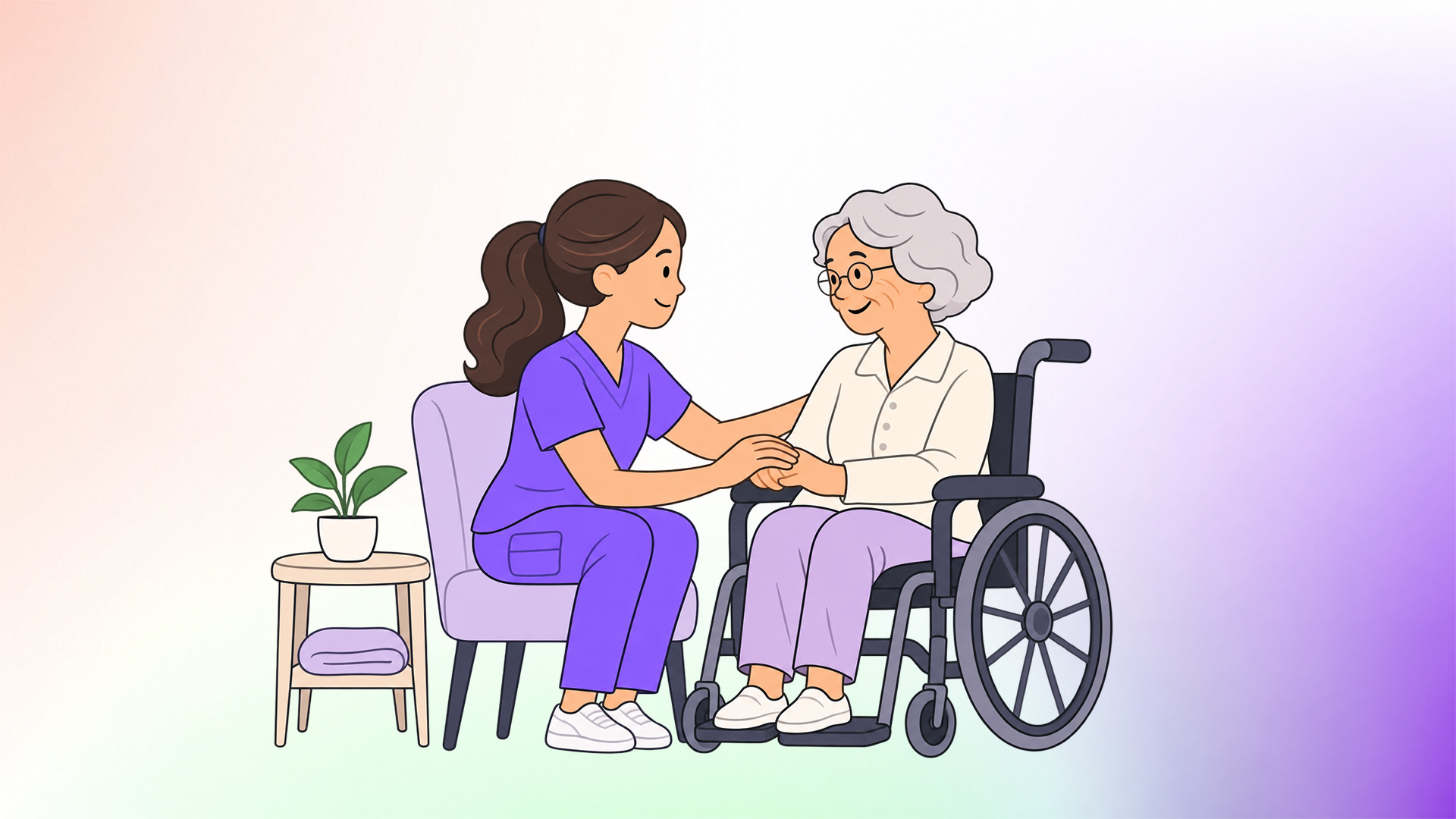


Staffing SNFs and long-term care with nurse practitioners means planning around federal visit rules, choosing between employed NPs and outside practices, and recruiting for locations many candidates overlook. Demand keeps rising. NPs and PAs delivered 43% of skilled nursing facility visits in 2016, up from 24% in 2008.
Why Demand for SNF and Long-Term Care Nurse Practitioners Keeps Growing
Skilled nursing facilities and nursing homes are caring for residents with more complex needs than in years past. Many arrive after a hospital stay, managing several acute and chronic conditions at once, while long-stay residents often live with dementia, diabetes, heart disease, and other conditions that need ongoing attention.
The physician workforce has not kept pace with that complexity. Researchers have pointed to rising care complexity in SNFs and growing shortages of geriatricians and other primary care physicians able to see SNF patients as the forces driving demand for nurse practitioners and physician assistants.
The shift shows up clearly in the data. A study of Medicare claims found that NPs and PAs delivered 24% of skilled nursing facility visits in 2008. By 2016, that share had risen to 43%.
Facilities have also moved toward clinicians who work in the building full-time. Between 2008 and 2017, the share of full-time clinicians caring for nursing home residents rose from 26% to 45%, according to a University of Texas study. Nurse practitioners saw the largest increase, growing 125% from 1,986 to 4,479 over that period.
That full-time presence matters for SNF care. The study’s lead author noted that patients of full-time providers have fewer ER visits and hospitalizations, which is less disruptive for nursing homes, and that having a provider available to answer staff questions makes a difference day to day.
For administrators, the takeaway is that the NP role in long-term care has grown from occasional visits into a core part of how residents receive primary care, medication management, and continuity between hospital stays. Hiring for it well requires understanding the rules, models, and locations that make these roles different from most NP jobs.
What Makes SNF Nursing Hiring Different From Other NP Searches
Hiring an NP for a skilled nursing facility or nursing home follows the same basics as any NP search: licensure, clinical experience, and fit with the team. Three factors set these roles apart, and each one affects how the job should be built before the first candidate applies.
The Federal Visit Rules That Shape the SNF NP Role
Federal regulations set the schedule for required visits in SNFs and nursing facilities, and they spell out which visits an NP can perform. Administrators need to know these rules before deciding how an NP fits into the facility’s care model.
- Each resident must be seen at least once every 30 days for the first 90 days after admission, and at least once every 60 days after that. A visit counts as timely if it happens within 10 days of the date it was required
- In a skilled nursing facility, the physician must personally conduct the initial comprehensive visit. After that, at the physician’s option, required visits can alternate between the physician and an NP, PA, or clinical nurse specialist
- In a nursing facility, the rules differ. The physician may delegate the initial visit to a non-physician practitioner, but NPs employed by the facility cannot perform required visits, while NPs who are not facility employees can
- NPs can still perform other medically necessary visits outside the required schedule, such as evaluating a change in condition, reviewing medications, or following up on acute issues
- States can add their own requirements on top of federal rules, and nursing home visits must be billed under the performing clinician’s own NPI rather than incident-to billing
These rules determine how much of the visit schedule an NP can cover, so they should be mapped out before the role is defined.
Employed NPs vs. Outside Practices: Choosing the Right Model for SNF Care
Facilities generally bring NPs into the building in one of two ways. Some employ NPs directly. Others work with outside medical groups, often called SNFist practices, whose clinicians spend most of their time in nursing homes. Each model has trade-offs.
- Facility-employed NPs give administrators more control over scheduling, priorities, and how the NP works with nursing staff, but in nursing facilities they cannot perform federally required visits
- NPs from outside practices can perform alternate required visits in nursing facilities, and their groups usually handle billing, credentialing, and physician collaboration
- Full-time presence matters more than the employment model itself. Research found that patients of full-time providers have fewer ER visits and hospitalizations, so a consistent NP in the building tends to deliver better continuity than rotating coverage
- Some facilities share clinicians with nearby hospitals. A Health Affairs study found SNFs linked to hospitals through shared practices had slightly fewer readmissions, shorter stays, and more successful community discharges, though the benefit was small
- Many facilities combine models, with an employed NP focused on daily clinical oversight and staff support alongside an outside practice that covers required visits
The right model depends on the facility type, its mix of short-stay and long-term residents, and the state’s rules.
Location, Patient Population, and Fit in Long-Term Care
Even with the right model in place, many long-term care NP jobs are hard to fill. Location plays a large part, and so does the specialized skill set the work requires.
- A 2024 study found that easing state scope of practice restrictions increased NP care in nursing homes, but the effect was concentrated among short-stay patients in urban counties. The researchers noted that improving access for long-term care residents and rural facilities may require additional resources
- The candidate pool with long-term care experience has historically been small. In 2013, the AANP reported that 15.2% of NPs had long-term care privileges, while only 3% described their practice as geriatric
- Residents often need careful medication management for multiple chronic conditions, dementia care, quick assessment of acute changes, and conversations with families about goals of care and comfort
- The role usually comes with more autonomy than an outpatient position. NPs work closely with RNs, LPNs, and certified nursing assistants who rely on them for guidance throughout the day
- Short-stay rehab patients and long-stay residents call for different strengths, so a facility should know which population the NP will focus on before screening candidates
The best SNF NPs combine strong clinical judgment with patience, communication skills, and a genuine interest in caring for older adults over time.
How to Recruit for Long-Term Care NP Jobs and SNF Roles
Long-term care NP jobs compete for the same candidates as primary care, urgent care, and hospital roles, often from locations that are harder to reach. The facilities that fill these roles consistently tend to do three things well: they define the job clearly, screen for the skills the setting demands, and give candidates a concrete reason to choose long-term care.
Designing the Role, Finding the Right Candidate, and Making the Case for Long-Term Care Nursing Hiring
Each of these steps builds on the one before it. A clearly designed role makes screening easier, and a well-screened candidate is easier to convince when the job matches what they want.
Design the role before posting it
- Decide whether the NP will be facility-employed or work through an outside practice, based on your facility type and which required visits you need covered
- Define the patient focus, whether that’s short-stay rehab, long-stay residents, memory care, or a mix, since each calls for a different range of skills
- Spell out the schedule, on-call expectations, and how many facilities or units the NP will cover, so candidates know what a typical week looks like
- Clarify the physician collaboration structure, including who conducts initial visits, how alternate visits will be scheduled, and how quickly a physician is available for consultation
- Describe the support the NP will have from RN and LPN staff, so candidates understand how the care team works day to day
Screen for the skills long-term care requires
- Experience with older adults managing multiple chronic conditions, including medication management, polypharmacy review, and diabetes and dementia care
- Comfort assessing acute changes in condition and deciding when a resident can be treated in place versus transferred to the hospital
- Strong communication with families, especially during goals-of-care and end-of-life conversations
- Ability to work independently while guiding nursing staff who rely on the NP for clinical direction
- Prior SNF, geriatric, hospice, or hospital medicine experience is a plus, though NPs from primary care with strong geriatric patient panels can also transition well with the right onboarding
Make the case for the job
- Highlight the autonomy and clinical depth of the role, which appeal to NPs who want more independence than a fast-paced outpatient schedule allows
- Emphasize continuity. Long-stay residents give NPs the chance to build lasting relationships with patients and families, which many clinicians find rewarding
- Offer professional development tied to the setting, such as geriatric certification support, continuing education in dementia care, or training in palliative care
- Be specific about schedule predictability, on-call limits, and how coverage works when the NP is out, since these details often decide whether a candidate accepts
- For rural or hard-to-reach facilities, consider relocation assistance, mileage reimbursement for multi-site coverage, or flexible scheduling that makes the commute more manageable
Long-term care roles tend to attract NPs who value relationships and clinical independence. Job postings and interviews that lead with those qualities usually draw stronger candidates than ones that focus only on visit volume.
Building a Steady NP Presence in the Building
Nurse practitioners have become a central part of how skilled nursing facilities and nursing homes deliver care. They cover required visits where the rules allow, respond to acute changes before they turn into hospital transfers, and give residents and families a consistent clinician who knows their history.
Getting that presence right starts with the details covered here. Federal visit rules decide which visits an NP can perform. The employment model decides how those rules apply in practice. Location and patient population shape who will want the job and who will do it well.
Facilities that work through those questions before posting the role tend to hire faster and keep NPs longer. A clear job design, screening built around geriatric and post-acute skills, and an honest picture of the schedule and support all help candidates see themselves in the role. Research linking full-time providers to fewer ER visits and hospitalizations shows why that stability matters for residents and for the facility.
SNF, long-term care, and hospice leaders filling permanent NP roles can work with NPHire, which sources from a network of 35,000 NPs across 45 states. Facilities receive five interview-ready candidates matched to the role’s specialty and location within 30 days, pay only when they hire, and get a free replacement if the NP leaves within six months. A 30-minute hiring call is a good place to cover your facility type, resident population, and the visits the role needs to support.
Frequently Asked Questions
1. What can a SNF nurse practitioner do?
A skilled nursing facility, or SNF, provides 24-hour skilled care, including wound care, IV therapy, rehabilitation, and nutrition and dietary management. A SNF nurse practitioner provides primary and acute care for residents within that setting, including assessing changes in condition, ordering tests and treatments, medication management, and reviewing care plans with nursing staff. Under federal rules, NPs can also perform alternate required visits after the physician’s initial visit, along with other medically necessary visits.
2. Can an NP perform the required physician visits in a nursing home?
Partly. Residents must be seen at least every 30 days for the first 90 days after admission and every 60 days after that. In a skilled nursing facility, the physician must personally conduct the initial visit, and required visits after that can alternate between the physician and an NP at the physician’s option. In nursing facilities, the initial visit can be delegated, but NPs employed by the facility cannot perform required visits, while NPs who are not facility employees can. State rules may add further requirements.
3. Should a SNF employ NPs directly or contract with an outside practice?
It depends on the facility type, which visits need coverage, and the resident mix. Short-stay rehab patients often arrive under Medicare after a qualifying hospital stay, while long-stay residents more often rely on Medicaid, since Medicare does not cover room and board for long-term care. Employed NPs give administrators more control over daily priorities, but in nursing facilities they cannot perform federally required visits, so many facilities pair an employed NP with an outside practice that covers those visits.
4. Why are NPs in such high demand in long-term care?
Rising care complexity and shortages of geriatricians and primary care physicians willing to see SNF patients have driven demand. NPs and PAs delivered 43% of skilled nursing facility visits in 2016, up from 24% in 2008. Between 2008 and 2017, the number of full-time NPs caring for nursing home residents grew 125%, the largest increase of any clinician type.
5. What experience should a long-term care nurse practitioner have?
older adults with multiple chronic conditions, including dementia, diabetes, and complex medication regimens. Strong long-term care NPs can assess acute changes quickly, decide when a resident can be treated in place, and guide RN and LPN staff throughout the day. SNF, geriatric, hospice, or hospital medicine backgrounds are helpful, and NPs from primary care with large geriatric panels can transition well with good onboarding.
6. How can rural nursing homes attract nurse practitioners?
Research found that easing scope of practice restrictions increased NP care mainly in urban nursing homes, and the authors noted that rural facilities may need additional resources to attract clinicians. Practical steps include relocation assistance, mileage reimbursement for NPs covering multiple sites, flexible scheduling, and clear on-call limits. Leading with the autonomy, continuity, and professional development the role offers also helps a rural posting stand out.
7. What role do NPs play in hospice care?
In hospice, NPs focus on symptom management, comfort, and communication with residents and families about goals of care. They often work alongside nurses, social workers, chaplains, and physicians as part of an interdisciplinary team, providing counseling and support as needs change. Medicare limits some hospice certification tasks to physicians, so facilities should confirm current CMS and state rules when defining what a hospice NP will handle.
8. How does having a full-time SNF NP on site affect hospitalizations?
Research on nursing home clinicians found that patients of full-time providers have fewer ER visits and hospitalizations. A full-time NP can catch acute changes early and treat many issues in the facility, which supports continuity for short-term rehab patients who often arrive after a qualifying hospital stay. Being available throughout the day also helps the NP coordinate with physicians and the physical, occupational, and speech therapists on each resident’s care plan.