

.webp)
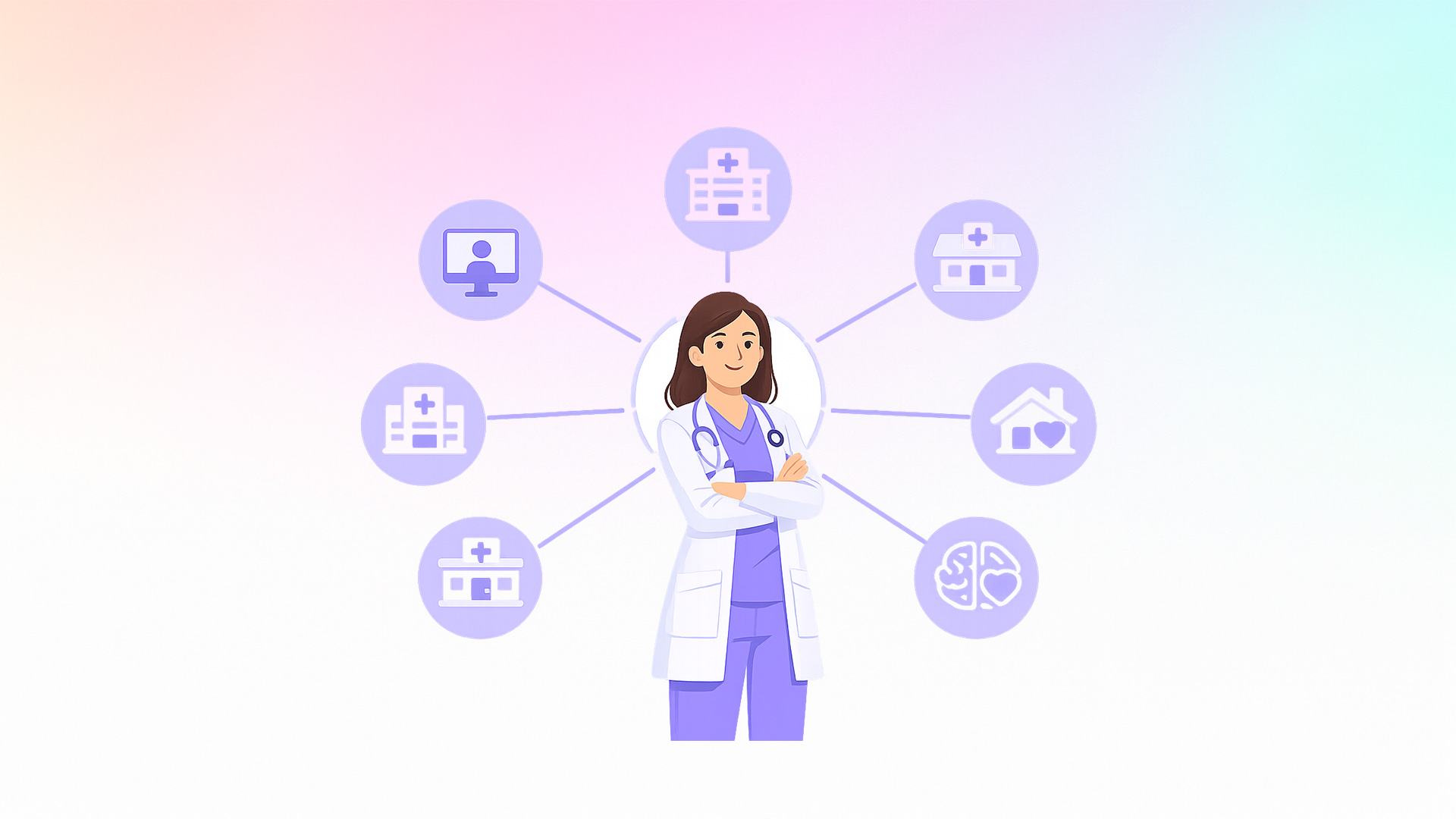
The future NP workforce is expanding as nurse practitioners take on broader roles across the health care system.Through expanded scope of practice, telehealth integration, and advanced clinical training, nurse practitioners are delivering more primary care, specialty care, and preventive services. Health care organizations that invest in NP education, flexible workforce models, and supportive practice environments will be better positioned to meet rising demand for healthcare services.
The Traditional Care Model Is Being Rewritten
Healthcare delivery models are changing as the NP workforce expands across the health care system. Rising demand for healthcare services, an aging population, and growing pressure on the physician workforce are reshaping how care is delivered in hospitals, ambulatory care settings, and physicians offices. As a result, nurse practitioners are playing an increasingly central role in maintaining access to care.
Historically, many care delivery settings relied heavily on primary care physicians supported by a broader rn workforceand other health professionals. Today, the structure is shifting. Advanced practice registered nurses, including primary care NPs, clinical nurse specialists, nurse midwives, and nurse anesthetists, are assuming expanded responsibilities across the health care system.
- Several structural forces are driving this shift.
- Growing demand for primary and preventive care services
- Workforce shortages affecting the physician workforce
- Increasing complexity of health conditions across the patient population
- Rising need for mental health care and chronic disease management
- Expansion of care delivery across urgent care sites, ambulatory care settings, and nursing homes
The evolving role of nurse practitioners reflects both workforce necessity and clinical capability. Through advanced clinical training, graduate education programs, and national certification exams, NPs are prepared to provide a wide range of medical care traditionally delivered by physicians.
In many healthcare settings, nurse practitioners now perform the same services associated with frontline clinical care.
- Conducting advanced health assessments and physical exams
- Ordering and interpreting diagnostic tests
- Developing patient care plans and treatment plans
- Prescribing medications where practice authority allows
- Managing both acute care and ongoing chronic disease treatment
This transformation places the nurse practitioner workforce at the center of modern care delivery. As demand for healthcare services continues to rise, health care organizations increasingly rely on NPs to coordinate patient care, expand access, and deliver patient centered care across diverse healthcare settings.
Scope Expansion Is Redefining the NP Role
Expansion of scope of practice is one of the most significant forces shaping the future nurse practitioner workforce. Across many states and healthcare settings, advanced practice registered nurses are practicing with increasing autonomy, providing comprehensive medical care and managing a broad range of patient needs.
As health care systems respond to provider shortages and rising demand for services, nurse practitioners are assuming responsibilities that were historically limited to physicians. Through advanced clinical training, graduate programs, and national certification exams, NPs are prepared to diagnose conditions, coordinate patient care, and manage complex treatment plans across multiple care delivery settings.
Expanded scope allows nurse practitioners to operate at the top of their clinical training.
- Performing advanced health assessments and physical exams
- Ordering and interpreting diagnostic tests
- Developing and managing patient care plans
- Prescribing medications where practice authority allows
- Treating patients across primary, preventive, and specialty care settings
In states with full practice authority, nurse practitioners can provide these services independently, without physician oversight. This model allows primary care NPs and other advanced practice roles to deliver timely care in communities where physician availability is limited.
- Scope expansion also strengthens the ability of NPs to address growing healthcare demands.
- Managing chronic health conditions through ongoing care coordination
- Supporting disease prevention and health education initiatives
- Providing mental health care and behavioral health support
- Delivering care to diverse patient populations, including pregnant women and aging adults
- Expanding access to care in urgent care sites, nursing homes, and ambulatory care settings
For health care organizations, these changes represent more than regulatory adjustments. Expanded scope allows health systems to deploy the NP workforce more effectively across care delivery models, increasing access while maintaining high standards of patient centered care.
As the health care system continues to evolve, scope expansion will remain central to how organizations design teams, allocate resources, and meet rising demand for healthcare services.
Telehealth Is Reshaping Care Delivery for Nurse Practitioners
Telehealth has become a permanent component of modern health care services. What began as an emergency response during the pandemic has evolved into a core care delivery model across many healthcare settings. For the NP workforce, telehealth is expanding how and where nurse practitioners provide medical care, allowing clinicians to reach broader patient populations without the constraints of traditional facility-based care.
Across the health care system, telehealth enables nurse practitioners to deliver timely care while maintaining continuity for patients managing ongoing health conditions. Virtual care allows NPs to evaluate symptoms, coordinate treatment plans, and address routine health concerns without requiring patients to travel to physicians offices, ambulatory care settings, or urgent care facilities.
Telehealth has expanded the reach of nurse practitioners in several important areas.
- Conducting virtual consultations and treating patients through secure digital platforms
- Providing follow-up visits and chronic disease management for ongoing patient care plans
- Expanding access to mental health care and behavioral health services
- Supporting disease prevention and health education through remote patient engagement
- Delivering care to patients in rural communities and underserved regions
For many health care organizations, telehealth also improves operational flexibility. Nurse practitioners can provide care across multiple care delivery settings, including urgent care sites, nursing homes, and community-based clinics, while maintaining continuity for patients who require frequent monitoring or routine follow-up.
This model also supports a more responsive healthcare system. Virtual care allows nurse practitioners to triage symptoms quickly, address emerging health concerns, and coordinate patient care with physicians and other health professionals when escalation is required.
As digital care tools continue to evolve, telehealth will remain a central component of the future nurse practitioner workforce. Health systems that integrate telehealth effectively will expand access to care, improve efficiency, and strengthen their ability to deliver patient centered care across diverse healthcare settings.
Clinical Autonomy Is Reshaping Care Teams
The structure of clinical teams is evolving as the nurse practitioner workforce expands across the health care system. Greater autonomy for advanced practice registered nurses is changing how care teams coordinate services, manage patient populations, and deliver medical care across multiple healthcare settings.
Historically, most care models centered around primary care physicians directing treatment decisions while other clinicians supported care delivery. Today, many nurse practitioners function as a patient’s primary care provider, particularly in primary care, community clinics, and ambulatory care settings. This shift reflects both workforce demand and the advanced clinical capabilities of NPs.
In states with full practice authority, nurse practitioners can diagnose conditions, develop treatment plans, and prescribe medications without physician supervision. This allows NPs to manage care independently while still collaborating with physicians, physician assistants, and other health professionals when complex cases arise.
Clinical autonomy strengthens the ability of care teams to coordinate patient services efficiently.
- NPs serving as primary care providers for diverse patient populations
- Managing chronic health conditions and coordinating long-term patient care plans
- Delivering care in acute care settings, urgent care sites, and outpatient clinics
- Collaborating with physicians and other health professionals to manage complex cases
- Supporting specialty services in cardiology, behavioral health, and critical care
This collaborative model improves both access and efficiency. Nurse practitioners often manage routine and preventive services, allowing physicians to focus on more complex or specialized care needs. As a result, the entire health care system can operate with greater flexibility and responsiveness.
For health care organizations, greater clinical autonomy for nurse practitioners also supports workforce stability. Expanding advanced practice roles allows systems to distribute clinical responsibilities more effectively while maintaining high standards of patient centered care.
As demand for healthcare services continues to grow, the ability of nurse practitioners to coordinate patient care and practice with greater independence will remain a defining feature of the future NP workforce.
Workforce Expectations Are Changing
The future NP workforce is also being shaped by changing career expectations among nurse practitioners entering the profession. New clinicians are seeking roles that provide professional growth, flexible practice environments, and opportunities to apply their advanced clinical training across diverse healthcare settings. As a result, health care organizations are rethinking how they recruit, develop, and retain NP talent.
The pathway into advanced practice roles has evolved significantly over the past decade. Many nurse practitioners now enter the field after years of experience as a registered nurse, completing a graduate program and passing a national certification exam following extensive clinical experience. These rigorous education programs prepare NPs to deliver comprehensive patient care while adapting to the rapidly changing demands of the healthcare industry.
Education and training remain central to workforce development.
- Completion of a bachelor's degree followed by a specialized graduate program in NP education
- Advanced coursework in advanced health assessment, diagnostics, and treatment planning
- Hands-on clinical experience across multiple healthcare settings
- Preparation for a national certification exam to enter advanced nursing practice
- Ongoing professional development through continuing education and specialty training
Beyond education, career expectations are evolving as well. Nurse practitioners increasingly seek opportunities to apply their skills across different care delivery settings, participate in conduct research, and contribute to innovation in nursing practice and public health initiatives.
- Workplace structure also influences recruitment and retention.
- Opportunities for leadership within interdisciplinary care teams
- Career pathways in specialty care, acute care, and community health programs
- Participation in population health and preventive care initiatives
- Engagement in quality improvement and services administration roles
- Access to mentorship, training, and long-term professional development
For health care organizations, these shifting expectations require thoughtful workforce planning. Supporting NP career growth through strong education programs, mentorship, and advanced training opportunities strengthens retention and helps build a resilient nurse practitioner workforce.
As healthcare delivery continues to evolve, organizations that invest in NP education, career development, and professional engagement will be better positioned to attract the next generation of advanced practice clinicians.
Demand Across Specialties Is Accelerating
Demand for the nurse practitioner workforce continues to expand across the health care system, extending well beyond traditional primary care roles. As the aging population grows and patient needs become more complex, nurse practitioners are increasingly practicing across a wide range of specialty care environments.
Health systems are deploying NPs to help manage rising demand for both routine and complex healthcare services. From acute care settings to community-based clinics, nurse practitioners are playing a larger role in diagnosing conditions, developing treatment plans, and treating patients across diverse clinical environments.
Demand is increasing across multiple specialties and care delivery models.
- Growing need for mental health care and behavioral health services
- Expanded roles in acute care and critical care hospital units
- Increasing presence in urgent care sites and outpatient clinics
- Rising demand in women’s health services supporting pregnant women
- Expanded care delivery in nursing homes and long-term care facilities
In many of these environments, nurse practitioners serve as frontline clinicians responsible for managing complex health conditions, conducting physical exams, ordering diagnostic tests, and coordinating ongoing patient care plans. Their ability to deliver these services strengthens the capacity of health systems to meet growing patient demand.
Specialty expansion also reflects changes in how care is delivered across the healthcare industry. As care models shift toward team-based and patient centered care, nurse practitioners collaborate closely with physicians, physician assistants, and other health professionals to provide coordinated treatment across multiple settings.
For health care organizations, the growing presence of NPs across specialty areas represents a strategic workforce opportunity. The ability to deploy the NP workforce across primary care, specialty clinics, and hospital environments allows systems to expand services, improve patient access, and maintain consistent quality of care.
As demand for healthcare services continues to rise, the role of nurse practitioners in specialty care will become even more central to the future health care system.
What Health Systems Must Build Today
The transformation of the NP workforce is already underway, but many health care organizations are still operating within workforce models designed for a different era of healthcare delivery.
Rising demand for healthcare services, an aging patient population, and ongoing shortages across the physician workforce are forcing systems to rethink how they develop and deploy advanced practice clinicians.
Preparing for the future requires more than hiring additional nurse practitioners. Health systems must design care models, education pipelines, and operational structures that fully support advanced practice roles across diverse care delivery settings.
- Several strategic investments will define how organizations compete for the future nurse practitioner workforce.
- Expanding NP education partnerships with universities and education programs to strengthen the pipeline of new clinicians
- Supporting advanced graduate programs and specialty training that build deeper clinical experience
Designing workforce models that integrate NPs across primary care, specialty care, and acute care settings - Investing in digital infrastructure that enables telehealth and coordinated patient care across multiple healthcare settings
- Creating leadership pathways for nurse practitioners in services administration, clinical operations, and care innovation
Workforce planning must also account for evolving care delivery needs. The growing aging population, rising rates of chronic health conditions, and increased demand for mental health care will require clinicians capable of delivering coordinated and continuous care across the health care system.
The ability of nurse practitioners to coordinate patient care, manage treatment plans, and support disease prevention efforts makes them central to future healthcare delivery models.
When health systems invest in advanced training, leadership development, and supportive practice environments, the nurse practitioner workforce can operate at the full extent of its clinical expertise.
Organizations that build these capabilities today will strengthen their ability to deliver high-quality medical care, expand access for diverse patient populations, and sustain workforce stability as healthcare demand continues to grow.
What Health Systems Must Build Today
The future NP workforce is already taking shape, yet many health care organizations still operate within workforce models designed for a different healthcare environment.
Demand for healthcare services continues to rise as the aging population grows and chronic health conditions become more common. These pressures are forcing the health care system to rethink how care teams are structured.
For many organizations, this means expanding the role of nurse practitioners across more care delivery settings. NPs are increasingly responsible for managing patient care, developing treatment plans, and supporting both primary care and specialty care services.
Workforce development must evolve alongside these changes. The next generation of clinicians will emerge through strong education programs, advanced graduate programs, and hands-on clinical experience that prepares them for complex patient needs.
Health systems must also create environments where nurse practitioners can practice at the full extent of their training. Integrating NPs across acute care settings, outpatient clinics, and community-based services strengthens the ability to deliver coordinated and patient centered care.
Organizations that invest in these workforce structures today will be better prepared to meet rising demand, strengthen the nurse practitioner workforce, and maintain long-term stability across the evolving healthcare landscape.
The Future NP Workforce Is Already Emerging
The evolution of the NP workforce is no longer a future prediction. It is already unfolding across the health care system. As demand for healthcare services continues to grow, nurse practitioners are becoming central to how care is delivered in both primary care and specialty care settings.
Across hospitals, ambulatory care settings, and community clinics, nurse practitioners are expanding access to medical care. Their ability to manage patient care plans, conduct physical exams, order diagnostic tests, and prescribe medications allows health systems to respond more effectively to rising patient demand.
The combination of expanded scope of practice, growing telehealth adoption, and increasing clinical autonomy is reshaping modern nursing practice. In many communities, primary care NPs are now serving as frontline providers, supporting disease prevention, mental health care, and long-term management of complex health conditions.
As the nurse practitioner workforce continues to grow, the role of NPs will remain critical to the future of the health care system. Organizations that invest in training, flexible workforce models, and supportive practice environments will be best positioned to attract talent and maintain strong care delivery.
The future of healthcare will depend on how effectively health systems support and expand the capabilities of nurse practitioners. For many organizations, the work of building that future has already begun.
Frequently Asked Questions
1. What is the NP workforce and why is it growing?
The NP workforce refers to the growing population of nurse practitioners practicing across the health care system. Demand continues to rise as healthcare services expand and the aging population requires more care. Nurse practitioners help health systems meet patient needs by providing primary care, preventive care, and specialty services across many healthcare settings.
2. What education is required to become a nurse practitioner?
Most nurse practitioners begin their careers as a registered nurse after completing a bachelor's degree in nursing. They then pursue a graduate program focused on advanced practice registered nurse training. These education programs include classroom education, clinical experience, and preparation for a national certification exam before entering advanced nursing practice.
3. What services can nurse practitioners provide?
Nurse practitioners provide a wide range of healthcare services across different care settings. They perform physical exams, order diagnostic tests, develop patient care plans, and prescribe medications depending on their state’s scope of practice. Many NPs also focus on disease prevention, health education, and long-term management of chronic health conditions.
4. What is full practice authority for nurse practitioners?
Full practice authority allows nurse practitioners to evaluate patients, diagnose conditions, order tests, and prescribe medications without physician supervision. This level of practice authority enables NPs to serve as a primary care provider and manage treatment independently while collaborating with physicians and other health professionals when needed.
5. Where do nurse practitioners typically work?
Nurse practitioners work across a variety of healthcare settings. These include physicians offices, ambulatory care settings, urgent care sites, hospitals, and nursing homes. Many NPs also work in acute care settings, specialty clinics, and community health programs serving diverse patient populations.
6. How are nurse practitioners supporting mental health care?
The growing demand for mental health care has increased the role of nurse practitioners in behavioral health services. Many NPs diagnose and treat mental health conditions, prescribe medications, and coordinate care with other health professionals. Their work helps expand access to mental health services in communities with limited psychiatric providers.
7. How does the nurse practitioner workforce help address physician shortages?
The nurse practitioner workforce helps fill gaps created by shortages in the physician workforce. By providing many of the same services in primary care, preventive care, and specialty settings, NPs help health systems maintain access to medical care while supporting team-based care models.
8. Why are health systems investing more in nurse practitioners?
Health systems are investing in the nurse practitioner workforce to meet growing demand for healthcare services. NPs help expand access to care, improve care coordination, and support patient centered care across multiple care delivery settings. Their training and clinical expertise allow organizations to deliver high-quality care while strengthening workforce stability.


.webp)